

Advanced Clinician Seminar Series
Saturday, November 22 | 3:30 PM–5:00 PM
#2: DBT Skills for Transdiagnostic Populations
Presented by:
Shireen Rizvi, ABPP, Ph.D., Director of Psychology Training, Montefiore Medical Center
Participants earn 1.5 continuing education credits

Category: Treatment – CBT
Keywords: Dialectical Behavior Therapy, Transdiagnostic, Treatment
Moderate to advanced level of familiarity with the material.
Shireen L. Rizvi, PhD, ABPP currently serves as the Director of Psychology Training and Director of DBT Services and Research at Montefiore Einstein in New York City. Prior to that, she spent 15 years as a Professor of Clinical Psychology at Rutgers University. She received her PhD from the University of Washington where she trained under the mentorship of Dr. Marsha Linehan. She has published over 100 articles and chapters. She has published two books including “Real Skills for Real Life” out in November 2025. She is board certified in Dialectical Behavior Therapy (DBT) and Cognitive Behavioral Therapy (CBT), and a Fellow of ABCT and APA.
Pioneered at the 2024 convention in Philadelphia, the Advanced Clinician Seminar Series is a novel clinical format designed specifically for advanced clinicians seeking content and consultation commensurate with their level of expertise. In 2025, the program offers three of these free seminars featuring an expert clinician and moderator who will offer consultation, case conceptualization, and treatment planning on your most complex cases. Attendees will be expected to self-identify as advanced clinicians, bring structured case presentations for possible discussion, and fully participate in a seminar-style discussion.
This particular seminar is hosted by Dr. Shireen Rizvi, an expert in Dialectical Behavior Therapy (DBT) and the dissemination of DBT skills. Dr. Rizvi will lead discussions and provide insights into advanced clinical techniques and approaches, offering attendees a unique opportunity for professional growth and development. Participants can expect a dynamic and interactive learning experience, with ample opportunities for networking and collaboration with fellow advanced clinicians.
Outline:
- Introduction to Advanced Clinician Seminar Series
- Overview of the seminar series objectives and structure
- Importance of advanced clinical skills for effective practice
- Introduction of Moderator and Expert Clinician
- Case Presentations and Analysis
- Guidelines for structured case presentations
- Discussion on complex cases brought by attendees
- Advanced Treatment Planning
- Integrating evidence-based practices into treatment plans
- Tailoring interventions to individual client needs and preferences
- Specialized Techniques and Approaches
- Deep dive into specific therapeutic modalities (e.g., DBT) for advanced clinicians
- Experiential exercises (e.g., role-play, modeling) to practice new techniques
- Conclusion and Next Steps
- Summary of key takeaways from the seminar series
- Resources for further learning and development
At the end of this session, the learner will be able to:
- Develop advanced skills in case conceptualization by applying theoretical frameworks to complex clinical cases.
- Enhance treatment planning abilities by integrating evidence-based practices and innovative approaches tailored to individual client needs.
- Strengthen clinical decision-making processes through active participation in case discussions and feedback from peers and experts. 3. Strengthen clinical decision-making processes through active participation in case discussions and feedback from peers and experts. Strengthen clinical decision-making processes through active participation in case discussions and feedback from peers and experts.
Long-Term Goals:
- Develop a comprehensive and specialized skill set that enables the effective assessment, treatment, and management of complex clinical cases across diverse populations, leading to enhanced client outcomes.
- Foster a professional network of experienced clinicians, researchers, and thought leaders in the field, facilitating ongoing collaboration, learning, and professional development opportunities beyond the seminar series.
Recommended Readings:
Rizvi, S. L., Bitran, A. M., Oshin, L. A., Yin, Q., & Ruork, A. K. (2024). The state of the science: Dialectical Behavior therapy. Behavior Therapy.
Valentine, S. E., Bankoff, S. M., Poulin, R. M., Reidler, E. B., & Pantalone, D. W. (2015). The use of dialectical behavior therapy skills training as stand‐alone treatment: A systematic review of the treatment outcome literature. Journal of clinical psychology, 71(1), 1-20.
Vijayapriya, C. V., & Tamarana, R. (2023). Effectiveness of dialectical behavior therapy as a transdiagnostic treatment for improving cognitive functions: a systematic review. Research in Psychotherapy: Psychopathology, Process, and Outcome, 26(2), 662.
Sunday, November 23 | 12:00 PM–1:30 PM
#3: Stepping in and Stepping up: Strategies for Fostering Parent and Teen/young Adult Collaboration in Managing Anxiety and Meeting the Tasks of Adulting
Presented by:
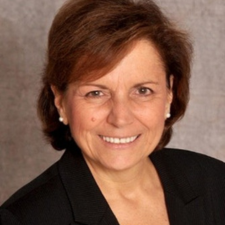
Anne Marie Albano, ABPP, Ph.D., Professor, Columbia University Medical Center
Participants earn 1.5 continuing education credits
Category: Treatment – CBT, Adolescents and Emerging Adults
Keywords: Adolescents and emerging adults, Family, Anxiety
Moderate to advanced level of familiarity with the material.
Anne Marie Albano is the Columbia University Clinic for Anxiety and Related Disorders (CUCARD) Professor of Medical Psychology in Psychiatry and Director of the NYP Center for Youth Mental Health. She received her Ph.D. in clinical psychology from the University of Mississippi. Dr. Albano is a Fellow of the American Psychological Association (APA), Association for Behavioral and Cognitive Therapies (ABCT), Founding Fellow of the Academy of Cognitive Therapy, and is Board Certified in Clinical Child and Adolescent Psychology. Dr. Albano served as President of the Society for Clinical Child and Adolescent Psychology of the American Psychological Association and President of the Association for Behavioral and Cognitive Therapies (ABCT), editor of Cognitive and Behavioral Practice (C&BP), founding editor of the journal Evidence-Based Practice in Child and Adolescent Mental Health, and associate editor of the Journal of Consulting and Clinical Psychology and C&BP. She was a Principal Investigator for the NIMH-funded “Child/Adolescent Anxiety Multimodal Treatment Study” (CAMS) and the “Treatments for Adolescents with Depression Study” (TADS), as well as their follow-up studies.
With her colleagues, Dr. Albano has published over 200 articles and chapters and she is the co-author of several cognitive behavioral treatment manuals and of the Anxiety Disorders Interview Schedule for DSM-5, Child and Parent Versions, with Wendy Silverman, all published by Oxford University Press, where she is also the co-editor with David H. Barlow of the series “Programs that Work”. She has been recognized with awards for her lifetime contributions to clinical child and adolescent psychology as well as for contributions to clinical cognitive and behavioral practices, and for her popular press book with Leslie Pepper, “You and Your Anxious Child”. She is a mentor, teacher, and supervisor to child psychiatry fellows, clinical psychology students and fellows, and to audiences of clinicians and academics from the range of mental health professions.
Pioneered at the 2024 convention in Philadelphia, the Advanced Clinician Seminar Series is a novel clinical format designed specifically for advanced clinicians seeking content and consultation commensurate with their level of expertise. In 2025, the program offers three of these free seminars featuring an expert clinician and moderator who will offer consultation, case conceptualization, and treatment planning on your most complex cases. Attendees will be expected to self-identify as advanced clinicians, bring structured case presentations for possible discussion, and fully participate in a seminar-style discussion.
This seminar hosted by Dr. Anne Marie Albano, an expert in the assessment and treatment of anxiety and related disorders in youth, will center on the rationale, conceptualization, and process of engaging parents and youth to work together in the treatment of adolescents and emerging adults who experience problematic anxiety and demonstrate limited evidence of functioning with appropriate age- and role-related independence. After a brief orientation to the developmental model of CBT known as “LEAP” (Launching Emerging Adolescents/Adults Program), focus will be on treating anxiety in young people by engaging their primary support persons to reduce accommodations while fostering the shaping of skills necessary for independent functioning. Dr. Albano will present didactic material, lead discussions, use role play and video demonstrations, and engage participants in sharing insights and advanced clinical techniques to foster productive parent-youth engagement and collaboration. The seminar will cover a range of issues steeped in a developmental CBT model of treating youth with their parents, with attention to addressing the interaction of youth dependency and parental overprotectiveness in maintaining anxiety and impeding independent role functioning. Specific areas that will be addressed include engaging parents & youth in collaboration while respecting youth confidentiality; addressing parental history & beliefs; assessing developmental milestones & functioning; examining the role of overprotection & accommodation; collaborative goal setting; family communication & problem solving; and the use of role reversal and related experiential learning strategies to foster insight and collaborations that empower youth in taking responsibility and independent action to manage anxiety and challenges of daily life. This seminar will offer attendees an interactive learning experience, with opportunities to present case examples and access the collective experience and wisdom of the group while discussing conceptualization, plans, and interventions strategies for youth needing assistance in developing self-efficacy and gaining experience in age-appropriate coping skills for managing anxiety and independent functioning through to adulthood.
Outline:
-
-
Introduction of Moderator (Dr. Sandra S. Pimentel) and Expert Clinician (Dr. Anne Marie Albano)
-
Introduction to Advanced Clinician Seminar Series
-
Taking a developmental and family-focused lense in CBT for anxiety in youth
-
Determining which families are appropriate for this treatment, and what to do if a parent or youth is not ready or able to participate?
-
-
Impact of anxiety on the tasks of development and parenting practices
-
Assessing stalled development and parental overprotection
-
Importance of a tripartite approach, integrating theory, research & practice
-
-
Case Presentations and Analysis
-
Brief presentation of 2 case examples by Dr. Albano
-
Invitation to discuss complex cases by attendees
-
-
Advanced Treatment Planning
-
Engaging parents and youth in goal setting: use of assessment results
-
Tailoring interventions to individual client/family needs and preferences
-
-
Specialized Techniques and Approaches
-
Deep dive into specific therapeutic modalities for advanced clinicians
-
Parent exploration of their own history: factors that are impacting their present-day parenting approach
-
Examining their personal development of overprotection/overcontrol
-
Fostering youth-parent understanding: bringing gestalt and experiential learning activities into CBT (e.g., perspective taking role reversal; parent-focused exposure exercises)
-
-
Experiential exercises (e.g., role-play, modeling) to practice new techniques
-
-
Conclusion and Next Steps
-
Summary of key takeaways from the seminar series
-
Resources for further learning and development
-
-
At the end of this session, the learner will be able to:
- Develop advanced understanding of the factors contributing to the maintenance of youth anxiety and parental over involvement that lead to stalled development in youth transitioning through to adulthood, and ways elucidation of these factors including parental history and negative reinforcement paradigms may contribute to positive engagement and change for the youth and parents, and examine factors that help determine whether and when to involve parents in sessions.
- Be able to conduct an assessment of youth and parental goals, developmental functioning of the youth, and parental over involvement/protection for use in structuring collaborative goals for treatment.
- Through role playing and case discussion, practice experiential exercises and exposure-based techniques to engage youth and parents in the therapy process, explore existing communication and relational patterns, and advance understanding of how best to work together for positive change. Through role playing and case discussion, practice experiential exercises and exposure-based techniques to engage youth and parents in the therapy process, explore existing communication and relational patterns, and advance understanding of how best to work together for positive change.
Long-Term Goals:
-
Understand how to apply CBT to address emotional as well as developmental functioning through a family-based approach using assessment and treatment strategies to expose the history and development of parental over protective behavior coupled with youth avoidance and/or skills deficits that maintain anxiety.
- Learn to utilize evidence-based principles and strategies to foster engagement and therapeutic improvement for moderate to severely anxious youth across diverse populations, ultimately to promote healthy functioning.
Recommended Readings:
Carollo A, De Marzo S, Esposito G. Parental care and overprotection predict worry and anxiety symptoms in emerging adult students. Acta Psychol (Amst). 2024 Aug;248:104398. doi: 10.1016/j.actpsy.2024.104398. Epub 2024 Jul 17. PMID: 39025031.
Cruciani G, Fontana A, Benzi IMA, Sideli L, Parolin LAL, Muzi L, Carone N. Mentalized Affectivity, Helicopter Parenting, and Psychopathological Risk in Emerging Adults: A Network Analysis. Eur J Investig Health Psychol Educ. 2024 Sep 18;14(9):2523-2541. doi: 10.3390/ejihpe14090167. PMID: 39329835; PMCID: PMC11431566.
Hoffman, L., Guerry, J., & Albano, A.M. (2018). Anxiety Disorders: Transitional Age Youth. Current Psychiatry Reports: Child and Adolescent Disorders, 20: 25. Philadelphia: Springer. https://doi.org/10.1007/s11920-018-0888-9, 10.1007/s11920-018-0888-9
Sunday, November 23 | 2:00 PM–3:30 PM
#1: Creating Clinical Experiences That Count: Enhancing Adaptive Learning from Experiential Interventions (Exposure Therapy and Activity Assignments)
Presented by:
Michael W. Otto, Ph.D., Professor, Boston University
Participants earn 1.5 continuing education credits

Category: Adult Anxiety
Keywords: Exposure, Behavioral Activation, CBT
Moderate to advanced level of familiarity with the material.
In active cognitive-behavioral treatments, clinicians are routinely constructing and assigning clinical experiences to aid adaptive learning. This process has been most formalized in activity assignment and exposure therapy strategies for the treatment for anxiety-related and mood disorders. Yet, relatively little has been written about the nuances of creating these experiences and attending, in particular, to the patient’s responses to these experiences in the anticipatory, in-the-moment, and post event processing phases of an experiential assignment.
In this Advanced Clinician Seminar, a memory-centric perspective (considering what is learned from an experiential intervention and how to enhance the retention of that learning) is taken for considering strategies to enhance the imact of these experiental assignments. Individual topics will include consideration of the right level of “expectancy violations” that aids effective learning and the contextual conditions (positive, affect, hope, optimism) that may influence the success and staying power of an experiential assignment. Attention will also be placed on both obvious and subtle defensive (safety) behaviors that can derail active learning, with emphasis on finding an “everyday behavior” standard to guide behavioral responding to experiential assignments. Active discussion of cases provided by participants will be a central feature of this seminar.
Outline:
Participants should consider drinking some coffee before this clinical session because active participation is encouraged. For this presentation, a “call and response” format will be used to try to facilitate active engagement among participants through a series of clinical questions, including such questions as:
- What are the similarities and differences between Exposure and Behavioral Activation assignments?
- Is exposure an active or passive learning process; is it new learning or the weakening of old learning?
- Does it matter what you do in response to an exposure or do you just have to show up?
- Are you exposing people to a situational fear or the emotions associated with the situational fear?
- How long is the core consolidation period (setting in the memory) following an experiential assignment?
- What is the primacy of behavioral responses (vs. emotional responses) in fear conditioning; is ERP relevant to every exposure?
- Why might moderate expectancy violations be the best for adaptive learning?
- Does your patient routinely re-activate fear and exposure memories before their sessions?
- What kind of adaptive memory consolidation practices do you put into place following exposure or activity assignments?
- What are some of the core beliefs you often target in the treatment of anxiety- and mood-related disorders.
As part of addressing these questions, the presenter will review recent research that informs answers to these questions in relation to clinical strategies designed to enhance outcomes to experiential assignments.
At the end of this session, the learner will be able to:
- Discuss a memory-centric perspective on experiential learning in CBT.
- Explain post-event processing strategies to help get the most out of experiential learning assignments in or between sessions.
- List contextual factors that may influence the degree of adaptive learning from experiential interventions in CBT.
Long-Term Goals:
- Aside from a memory-centric view of experiential assignments, two core “takeaway” items will be consideration of the role of (1) exposure to aid emotional processing (interoceptive exposure) as a routine lead-in to treatment of anxiety and related disorders.
- and (2) an “ERP for Everyone” perspective that emphasizes the importance of programming the responses to exposure to enhance exposure therapy and activity assignment outcomes.
Recommended Readings:
Benito, K., Pittig, A., Abramowitz, J., Arch, J., Chavira, D., de Kleine, R., De Nadai, A., Hermans, D., Hofmann, S.G., Hoyer, J., Huppert, J.D., Kircanski, K., McEvoy, P.M., Meyer, H., Monfils, M.H., Papini, S., Rief, W., Rosenfield, D., Storch, E.A., Telch, M.J., Otto, M.W., Smits, J.A., for the Exposure Therapy Consortium (2024). Mechanisms of Change in Exposure Therapy for Anxiety and Related Disorders: A Research Agenda. Clinical Psychological Science. 0(0). https://doi.org/10.1177/21677026241240727
Kube, T., Kirchner, L., Lemmer, G., & Glombiewski, J. A. (2021). How the Discrepancy Between Prior Expectations and New Information Influences Expectation Updating in Depression—The Greater, the Better? Clinical Psychological Science, 10(3), 430-449. https://doi.org/10.1177/21677026211024644 (Original work published 2022).
Smits, J. A. J., Powers, M. B., & Otto, M.W. (2019) Personalized Exposure Therapy: A Person-Centered Transdiagnostic Approach. New York: Oxford University Press.
Taylor, C. T., Rosenfield, D., Dowd, S. M., Dutcher, C. D., Hofmann, S. G., Otto, M. W., Pollack, M. H., & Smits, J. A. J. (2023). What good are positive emotions for treatment? A replication test of whether trait positive emotionality predicts response to exposure therapy for social anxiety disorder. Behaviour Research and Therapy, Dec;171:104436.