

Invited Plenaries
Friday, November 21 | 8:30 AM–9:45 AM
Bridging Cultures: Collaborative Approaches to Culturally Adapting Evidence-Based Psychotherapies for Diverse Populations
Presented by:
Debra Kaysen, Ph.D., ABPP, Professor, Chief, Division of Public Mental Health & Population Sciences, Department of Psychiatry, Stanford University School of Medicine

Categories: Trauma and Stressor Related Disorders and Disasters, Treatment — CBT, Culture/Ethnicity/Race
Keywords: PTSD (Posttraumatic Stress Disorder), Culture, Evidence-Based Practice
Basic to moderate level of familiarity with the material.
Debra Kaysen is a Professor and is the Chief of the Division of Public Mental Health and Population Sciences in the Department of Psychiatry at Stanford University. Her area of specialty both in research and clinical work is in treatment for those who have experienced traumatic events including treatment of PTSD and related disorders. She is one of the leading researchers in the adaptation of trauma-focused treatments to increase access to care across diverse populations and in expanding access to treatment outside of specialty care settings. Other research conducted by Dr. Kaysen have focused on increasing our understanding of PTSD and substance use. Dr. Kaysen is a Past President of the International Society for Traumatic Stress Studies (www.istss.org). Her research has been funded by the National Institute of Alcohol Abuse and Alcoholism, the National Institute of Drug Abuse, the National Institute on Minority Health and Health Disparities, the Department of Defense, PCORI, and USAID. Dr. Kaysen is a national trainer in Cognitive Processing Therapy and Written Exposure Therapy. Dr. Kaysen’s clinical work has been featured on This American Life.
“Exposure to traumatic events and subsequent Posttraumatic Stress Disorder (PTSD) are major contributors to the global burden of disease. The PTSD literature has demonstrated support for brief, effective interventions with treatment benefits lasting out to ten years post-treatment. However, there is a gap in access to these treatments for ethnically and culturally diverse or marginalized clients and these treatments were often not developed for or tested with diverse patient populations. Multicultural approaches risk excluding the active ingredients of treatments, resulting in less effective interventions for diverse patient populations. An increasing body of research demonstrates that evidence-based practices and cultural competency can be complementary. Dr. Kaysen has conducted critical studies on the adaptation of evidence-based treatments for PTSD among diverse populations across a wide range of settings and treatments. This talk will synthesize existing knowledge regarding innovations in this field, highlighting prevailing theories of adaptation and discussing specific examples of what these adaptations look like in practice. She will discuss examples of meaningful community involvement in adaptation and will review evidence of treatment effectiveness. Lastly, she will discuss the next challenges for the field of culturally congruent evidence-based care.”
Outline:
- The treatment gap
- Mental health concerns have been the leading cause of chronic disability for 20 years.
- Globally, the vast majority of those with mental health problems do not receive care.
- Even within the United States, the treatment gap is present.
- Definitions of culture: multifaceted, intersectional, and relational. Something that is continuously changing for all of us all the time.
- Approaches to cultural adaptation
- FRAME
- Context vs content
- Surface vs deep
- Bottom-up vs top down
- Case examples
- Implementation of Cognitive Processing Therapy Provided by Community Health Workers in the Democratic Republic of Congo.
- This section describes the adaptation of CPT to be delivered by paraprofessionals. Adaptations included adaptations for context (low literacy, paraprofessional delivery, community-based, few resources) and culture (changes in some modules, changing terminology, unique idioms of distress).
- Review initial effectiveness data and long-term follow-up data. Provide qualitative data from counselors and clients.
- Sacred Journey and Healing Seasons: Working with Native American tribal communities
- This section describes the adaptation of CPT and of NET for rural native Americans including focusing on surface vs deep adaptations.
- Review effectiveness data for both trials.
- Islamic Trauma Healing and the Somali Community
- This section describes bottom-up adaptation of trauma focused therapeutic principles to be delivered by lay people, not framed as a mental health intervention.
- Review data from delivery both within and outside of the US.
- Implementation of Cognitive Processing Therapy Provided by Community Health Workers in the Democratic Republic of Congo.
- Challenges for the field
- Works when you have ample time for adaptation and resources for community partnerships
- More challenging in settings where you are working with broad array of clients
- Do not know what level of adaptation is necessary, nor do we have tested models of how to approach adaptation.
- Conclusions
At the end of this session, the learner will be able to:
- Describe approaches to cultural adaptation and give at least one example of a modification to increase cultural fit.
- Explain the current evidence base for PTSD treatments when adapted for differing cultural groups.
- Identify core elements of PTSD treatments that remain consistent across adaptations across patient populations.
Long-term Goals:
- Learners will understand the relationship between evidence-based practices and cultural competency and learn how they can be effectively integrated to enhance treatment outcomes for diverse populations, and ways that they can do so in their own research and/or practice.
- Learners will have increased knowledge of existing theories and approaches to cultural adaptation, understand the FRAME model as one useful way of approaching adaptation, and understand the importance of not reducing treatment fidelity or effective elements when adapting interventions for diverse populations.
- These long-term learning goals aim to equip participants with the knowledge and skills necessary to effectively address mental health concerns in diverse populations through culturally informed practices.
Recommended Readings:
Heim, E., & Kohrt, B. A. (2019). Cultural adaptation of scalable psychological interventions. Clinical Psychology in Europe, 1(4), 1-2
Ennis, N., Shorer, S., Shoval‐Zuckerman, Y., Freedman, S., Monson, C. M., & Dekel, R. (2020). Treating posttraumatic stress disorder across cultures: A systematic review of cultural adaptations of trauma‐focused cognitive behavioral therapies. Journal of Clinical Psychology, 76(4), 587-611.
Wiltsey Stirman, S., Baumann, A. A., & Miller, C. J. (2019). The FRAME: an expanded framework for reporting adaptations and modifications to evidence-based interventions. Implementation Science, 14, 1-10.
Intervening on the Emotional Moment with those in Distress
Presented by:
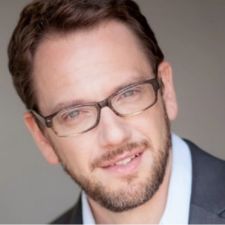
Douglas S. Mennin, Ph.D., Director of Clinical Training, Teachers College, Columbia University
Categories: Program/Treatment Design, Treatment — Mindfulness & Acceptance, Technology
Keywords: Anxiety, Depression, Treatment
All levels of familiarity with the material.
Douglas Mennin joined the faculty of TC’s Clinical Psychology Program in September 2017 and currently serves as Director of Clinical Training. He earned his PhD from Temple University in 2001 and has previously held positions in the Department of Psychology at New York University, Yale University, and CUNY Hunter College, where he was Co-Director of the Health Psychology and Clinical Science PhD training program. In his academic role, Professor Mennin has trained numerous graduate students and post-baccalaureate research assistants on diagnosis, assessment, and treatment of anxiety and mood disorders. He has published over 150 articles, chapters, and books and regularly gives invited workshops and colloquia, and often speaks to the media about how to help people better understand and respond to their struggles with anxiety, worry, and depression. He currently serves on the editorial board of six journals and has been on the executive boards of the APA Division of Clinical Psychology and the Society for a Science of Clinical Psychology and is the former Chair of the Scientific Council of the Anxiety and Depression Association of America (ADAA).
“Distress from condition or circumstance can be understood from both context (e.g., society, community, group, inter-person, and intra-person) and time (i.e., mean traits, modal occurrences, and momentary instances) perspectives. Cultivating our ability to meet clients’ phenomenological experience within and outside of session may hold clues to improving refactory outcomes of those in distress from experience (e.g., physical disease, victim of discrimination) and conditions (e.g., ruminative depression, generalized anxiety disorder, PTSD).
One important consideration is understanding distress through the expanse of different timescales, particularly across momentary emotional cascades where difficulties occur from elevated emotions to dysregulatory processing to dysfunctional behavioral responses. Treatments honed to better target each components of this cascade may be able to improve outcomes for distress. Changes in the ways we conceptualize emotional awareness and regulatory specification may also contribute to improved outcomes. Importantly, variable and diminished treatment responses in individuals from underrepresented and marginalized backgrounds challenge our therapeutic systems to be better specified and more contextually responsive. New developments in adapting interventions in session and in lived experience may help increase our precision through the simultaneous consideration of time and context elements within targeted moments. Research supporting a functional emotion regulation perspective and treatment approach will be reviewed with particular attention to developments in utilizing motivation and regulation conceptualizations in treatment as well as frontiers in “just-in-time” dynamic adaptations to improve personalization to varying clinical presentations.”
Outline:
- Distress in context and time
- Means, Modes, Moments
- Functional Emotion Regulation Model
- Emotion Regulation Therapy
- Awareness Processes
- Regulation Processes
- Behavioral Processes
- Person/Time in Context
- Future Directions in Person/Time in Context
- Summary and Conclusions
At the end of this session, the learner will be able to:
- Examine context and time perspectives of distress.
- Investigate findings on targeted intervention of a functional emotion regulation perspective and treatment.
- Explore approaches to improve personalization of treatment through consideration of time and context factors in lived moments.
Long-term Goals:
- To deepen understanding of a functional emotional regulation framework of treating distress.
- To explore how different forms of distress may be ameliorated by utilizing this framework with consideration of time by context elements in lived moments of difficulty.
Recommended Readings:
Szkutak, A., Anene, E., Mennin, D. S., & Fresco, D. M. Chapter 11. (in press). Emotion regulation therapy (ERT) I: History and theoretical frameworks. In W. Li, G. Griffith, S. Shapiro, Zhu, Z (Editors), The Palgrave Handbook of Third-Wave Psychotherapies. New York: Palgrave Macmillan.
Clayton, M., Hernandez, M., Mennin, D. S., & Fresco, D.M. Chapter 12. (in press). Emotion regulation therapy (ERT) II: Treatment Mechanisms and Components. In W. Li, G. Griffith, S. Shapiro, Zhu, Z (Editors), The Palgrave Handbook of Third-Wave Psychotherapies. . New York: Palgrave Macmillan.
Spaeth, P., Renna, M., Skytte O’Toole, M., Mennin, D. S., & Fresco, D. M. Chapter 13. (in press). Emotion regulation therapy III: Foundations and frontiers in investigating efficacy and mechanism. In W. Li, G. Griffith, S. Shapiro, Zhu, Z (Editors), The Palgrave Handbook of Third-Wave Psychotherapies. . New York: Palgrave Macmillan.
Saturday, November 22 | 8:30 AM–9:45 AM
A Multidisciplinary Approach to the Study of Social Policies and Mental Health Disparities: Insights from Stigma Research
Presented by:
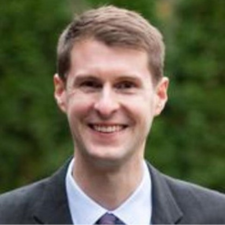
Mark L. Hatzenbuehler, Ph.D., Professor of Psychology, Harvard University
Categories: Mental Health Disparities
Keywords: Stigma, Mental Health Disparities, Public Policy
All levels of familiarity with the material.
Mark L. Hatzenbuehler, PhD, is a Professor of Psychology at Harvard, where he directs the Biopsychosocial Effects of Stigma Lab. He received his PhD in clinical psychology from Yale and completed his post-doctoral training in population health at Columbia, where he was a Robert Wood Johnson Foundation Health & Society Scholar. Dr. Hatzenbuehler’s work has been published in leading journals across multiple fields, including Nature Communications, Nature Human Behavior, Proceedings of the National Academy of Sciences, Lancet Public Health, Annual Reviews of Public Health, JAMA Psychiatry, Psychological Bulletin, and American Psychologist.
He has received several awards for his work, including the Janet Taylor Spence Award for Transformational Early Career Contributions from the Association for Psychological Science, the Early Career Award for Distinguished Contributions to Psychology in the Public Interest from the American Psychological Association, the Division 44 Distinguished Scientific Contribution Award from the American Psychological Association, and the Gold Medal Award for Impact in Psychology (formerly the Gold Medal Award for Life Achievement) from the American Psychological Foundation.
For the past 5 years, he has been named to the Highly Cited Researcher List by Clarivate Analytics in recognition of his research influence, as demonstrated by the production of multiple highly-cited papers that rank in the top 1% by citations for field and year in the Web of Science. Dr. Hatzenbuehler is an elected fellow of the Academy of Behavioral Medicine Research, the premier honorary organization for scientists working at the interface of behavior and medicine, and he has been appointed to serve on two consensus committees at the National Academies of Sciences, Engineering, and Medicine. He was also voted one of the favorite professors of the Harvard Class of 2023.
“Psychological research has made significant advancements in the study of stigma, defined as the co-occurrence of labeling, stereotyping, status loss, and discrimination that unfolds in a context of unequal power. However, this work has been criticized for focusing almost exclusively on individual and interpersonal stigma processes to the exclusion of structural factors that promulgate stigmatization. To address this knowledge gap, researchers have recently expanded the stigma construct to consider how broader, macrosocial forms of stigma—what I call structural stigma—also disadvantage stigmatized individuals.
In this talk, I will define the construct of structural stigma and discuss one instantiation of it in the form of public policies that target specific groups for social exclusion or that fail to provide legal protections. I will then review several illustrative studies from our research group that use a range of methodological and measurement approaches to document the negative biopsychosocial consequences of exposure to structural stigma across a range of stigmatized statuses, including those related to sexual orientation, race, and socioeconomic status. I will end the talk with a brief discussion of implications of this research for structural and psychological interventions aimed at reducing the negative mental health sequelae of stigma for members of marginalized groups. Collectively, this research highlights the need for clinical scientists to further attend to structural influences in our conceptual models of health, in our empirical studies, and in our interventions aimed at reducing mental health disparities.”
At the end of this session, the learner will be able to:
- Describe stigma as a multi-level phenomenon ranging from individual to structural levels.
- Evaluate the biopsychosocial consequences of structural stigma in the form of social policies that target specific groups for social exclusion or that fail to provide legal protections.
- Explore the role of stigma in undermining the efficacy of psychotherapy interventions.
Long-term Goal:
- Consideration of the role of clinical scientists in addressing mental health disparities resulting from stigmatization.
Recommended Readings:
Lattanner, M.R., McKetta, S., Pachankis, J.E., & Hatzenbuehler, M.L. (2025). State of the science of structural stigma and LGBTQ+ health: Meta-analytic evidence, research gaps, and future directions. Annual Reviews of Public Health, 46, 7.1-7.19.
Weissman, D.G., Hatzenbuehler, M.L., Cikara, M., Barch, D.M., & McLaughlin, K.A. (2023). State-level macro-economic factors moderate the association of low income with brain structure and mental health in U.S. children. Nature Communications, 14, 2085.
Hatzenbuehler, M.L., & Pachankis, J.E. (2021). Does stigma moderate the efficacy of mental and behavioral health interventions? Examining individual and contextual moderators of treatment effect heterogeneity. Current Directions in Psychological Science, 30, 476-484.
State of the Science and Emerging Research on Gender Affirmative Medical Care for Transgender Youth
Presented by:
Diane Chen, Ph.D., Professor of Psychiatry and Behavioral Sciences, Pediatrics, and Medical Social Sciences at Northwestern University Feinberg School of Medicine and Behavioral Health Director, Ann & Robert H. Lurie Children’s Hospital of Chicago

Categories: LGBTQ+
Keywords: LGBTQ+, Adolescents, Longitudinal
All levels of familiarity with the material.
Diane Chen, PhD, is a Professor of Psychiatry and Behavioral Sciences, Pediatrics, and Medical Social Sciences at Northwestern University Feinberg School of Medicine and Behavioral Health Director for Adolescent and Young Adult Medicine at Ann & Robert H. Lurie Children’s Hospital of Chicago. She is founding psychologist for Lurie Children’s Gender Development Program and Supportive Program for a Range of Urogenital Traits (SPROUT). Clinically, she provides consultation, assessment, and therapeutic services to transgender, nonbinary, and gender diverse youth and young adults and to children, adolescents, and young adults with intersex variations/differences of sex development. Dr. Chen’s NIH-funded programmatic research focuses broadly focused on psychological functioning, reproductive health and fertility preservation, and medical decision-making among gender and sexual minority youth.
“Transgender and nonbinary (TNB) youth experience gender in ways that do not align with their designated sex at birth. Recent estimates suggest TNB youth comprise between 2% and 9% of high-school aged youth in the United States. Many TNB youth experience gender dysphoria—the persistent affective distress stemming from gender incongruence—and increasingly, TNB youth seek transition-related medical care to address dysphoria. The field of pediatric gender medicine is rapidly evolving, outpacing outcomes research in this marginalized population. Pediatric gender medicine also is increasingly politicized, with disinformation running rampant. This presentation will: (1) introduce the gender affirmative model of care and how it has evolved over the last decade, (2) highlight current gaps in research related to pediatric gender health care, and (3) present emerging research from the Trans Youth Care Study—the first NIH-funded study on medical/mental health outcomes of early medical treatment in TNB youth.”
Outline:
- Background and terminology
- Key tenets of gender affirmative care
- Gender transition = process of changing gender presentation and/or physical body to be more aligned with gender identity
- Reversible
- Partially reversible
- Irreversible
- Continuum of gender-affirming medical/surgical care
- Pubertal suppression with GnRH analogs, exogenous testosterone/estrogen, and gender-affirming surgery
- Historical “Dutch Model”
- Research outcomes
- Developmentally-informed affirmative approach
- Research outcomes
- Findings from the TYC Study
At the end of this session, the learner will be able to:
- Identify key tenets of gender affirmative care.
- Discuss current gaps in research related to pediatric gender care.
- Describe emerging research on psychosocial outcomes of gender-affirming medical care.
Long-term Goals:
- Participants will gain a deeper understanding of the gender affirmative model, including how it has evolved to support the health and wellbeing of TNB youth. Attendees will be equipped to integrate affirming, evidence-based practices in clinical or policy settings that prioritize youth autonomy, reduce gender dysphoria, and support positive mental health outcomes.
- Participants will recognize the urgency for research-informed practice in pediatric gender medicine.
Recommended Readings:
Huit, T.Z., Coyne, C.A., & Chen, D. (2024). State of the science: Gender-affirming care for transgender and gender diverse youth. Behavior Therapy, 55, 1335-1347. DOI: https://doi.org/10.1016/j.beth.2024.02.010. [PMID: 39443069]
Coyne, C.A., Yuodsnukis, B., & Chen, D. (2023). Gender dysphoria: Optimizing healthcare for transgender and gender diverse youth with a multidisciplinary approach. Neuropsychiatric Disease and Treatment, 19, 479-493. DOI: 10.2147/NDT.S359979 [PMID: 36879947; PMCID: PMC9985385]
Chen, D., Berona, J., Chan, Y.M., Ehrensaft, D., Garofalo, R., Hidalgo, M.A., Rosenthal, S.M., Tishelman, A.C., & Olson-Kennedy, J. (2023). Psychosocial functioning in transgender youth after two years of hormones. New England Journal of Medicine, 388, 240-250. DOI: 10.1056/NEJMoa2206297 [PMID: 36652355; PMCID: PMC10081536]
Sunday, November 23 | 8:30 AM–9:45 AM
Evaluating a Family-Focused Intervention to Support Palestinian Parents and Adolescents
Presented by:
Laura Miller-Graff, Professor of Psychology and Peace Studies and the Director of the William J. Shaw Center for Children and Families at the University of Notre Dame

Categories: Global Mental Health, Parenting/Families, Program/Treatment Design
Keywords: Global Mental Health, Group Therapy, Violence
Moderate level of familiarity with the material.
Laura Miller-Graff is a Professor of Psychology and Peace Studies and the Director of the William J. Shaw Center for Children and Families at the University of Notre Dame. Dr. Miller-Graff’s research focuses on the development and evaluation of psychological interventions for children and families who have been exposed to chronic forms of violence and trauma. Integrating developmental, intergenerational, and ecological perspectives, her work aims to attend to the various systems (i.e., individual, family, and community) that interact to promote or inhibit healthy development following violence. Dr. Miller-Graff works across multiple global settings in close collaboration with community partners and agencies to support the delivery of culturally and contextually relevant evidence-based care.
“With global conflict at its highest level since the end of World War II, the need for evidence-based psychosocial support in conflict-affected settings is rising. Yet, there are significant challenges in developing, evaluating and disseminating programs in such contexts, including challenges related to the availability of service providers, culturally relevant evidence-based interventions, and coordination of clinical care in the context of ongoing violence and war. Although both individual and group based interventions are common approaches in psychological and psychosocial care, globally, there is relatively less research on family-based approaches to psychosocial support in conflict-affected settings.
This plenary will examine the development and evaluation of a family-based intervention program, the Promoting Positive Family Futures Program (PPFF), for Palestinian parents and adolescents. Drawing from extensive translational and theoretical work, this intervention integrates cognitive behavioral theories, emotional security theory, and contemporary and local perspectives on resilience to provide an evidence-based framework for supporting parents and adolescents living in the midst of ongoing chronic direct, structural, and cultural violence. This presentation will trace the trajectory of program development, implementation, and evaluation over the past decade, with a focus on how multi-method and iterative data collection and feedback processes have been used to refine and enhance implementation quality and ecological validity. We will discuss therapist perspectives and experiences with implementation as well as participant feedback and emerging data on effectiveness. We will also consider practical recommendations for maintaining scientific rigor in the context of acute crises that require flexible study design. Finally, we will consider the implications of this research for continued support of Palestinian families as well as the broader global relevance for families living in conflict-affected settings around the world.”
At the end of this session, the learner will be able to:
- List evidence-basis of psychological interventions and psychosocial supports in conflict-affected settings.
- Identify key issues confronting Palestinian families.
- Develop programs and implementation processes.
Long-term Goals:
- Gain a clearer understanding of the experiences of Palestinian families, including of experiences of violence and trauma, mental health, and family relationships
- Attendees will consider how to integrate interactive learning processes and cultural considerations into their own work in intervention science
Recommended Readings:
Abu-Ras, W., Almoayad, F., Bakry, H. M., Alammari, D., Kelly, P. J., & Aboul-Enein, B. H. (2024). Interventions to promote mental health in the Occupied Palestinian Territories and Palestinian refugees: A scoping review. International Journal of Social Psychiatry, 70(6), 1037-1054.
Arega, N. T. (2023, December). Mental health and psychosocial support interventions for children affected by armed conflict in low-and middle-income countries: a systematic review. In Child & Youth Care Forum (Vol. 52, No. 6, pp. 1431-1456). New York: Springer US.
Miller-Graff, L. E., & Cummings, E. M. (2022). Supporting youth and families in Gaza: A randomized controlled trial of a family-based intervention program International Journal of Environmental Research and Public Health, 19, 8337.
Responding to Mass Trauma: Adapting Evidence-based Treatments to Scale in Israel After October 7th
Presented by:
Jonathan Huppert, Helen and Sam Beber Chair of Clinical Psychology and Professor, Department of Psychology, Hebrew University of Jerusalem

Categories: Disaster Mental Health, Trauma and Stressor Related Disorders and Disasters, Workforce Development/Training/Supervision
Keywords: Trauma, Implementation, Evidence-Based Practice
All levels of familiarity with the material.
Jonathan Huppert is Helen and Sam Beber Chair of Clinical Psychology and Professor in the Department of Psychology at The Hebrew University of Jerusalem. He is the former department chair and former head of the clinical program. Dr. Huppert is the head of the Laboratory for the Treatment and Study of Mental Health and Wellbeing at The Hebrew University. He has been working for over 25 years treating, studying, and working to improve treatments for anxiety, OCD, PTSD and related disorders. He has published over 150 articles and chapters on processes and outcomes in evidence-based psychological interventions with an emphasis on cognitive behavioral therapy, experimental psychopathology, assessment, emotion regulation, the alliance, placebo effects, and most recently imagery-based interventions and theories of treatment. Dr. Huppert has worked on dissemination of cognitive behavioral therapy throughout Israel. He has been spearheading the development of internet based CBT in Hebrew and Arabic and also improving access to evidence based treatments in collaboration with Israel’s Ministry of Health and HMOs. After October 7th, Dr. Huppert has established the Center for Trauma Recovery at The Hebrew University, which is focused on training therapists in evidence-based treatments for trauma and related disorders in the public sector, developing technology to help reach people at scale, and developing a campaign for the public and therapists. They have trained over 300 therapists in the last year alone.
After the massacre on October 7 and the war in Gaza, estimates of new cases of trauma-related issues (PTSD, anxiety, depression) in Israel range from 300-500,000. This is on top of a public mental health system that was already stressed and at a breaking point. Dr. Huppert will present a program that originated as an adapted pilot program based on England’s IAPT program prior to the 7th and was adapted to respond at scale since. The major principles of the program include evidence-based assessment, routine outcome monitoring, and evidence-based practices, based on international clinical guidelines. Trainings include workshops and weekly supervision. In the last two years, in collaboration with the Ministry of Health and the HMOs (which provide services to all citizens), over 350 therapists in the public sector were trained in Cognitive Processing Therapy, Written Exposure Therapy, or Trauma-Focused CBT for children. We currently in the midst of training an additional 300-400 therapists to Trauma-Focused Unified Protocol, Prolonged Exposure, Prolonged Grief Therapy, and other evidence-based treatments. The design and some findings from the program for dissemination and implementation will be described. Preliminary data and lessons learned along the way will be presented.
Outline:
- Brief description of Israeli mental health system prior to October 7
- Estimates of needs following October 7
- Decision making in terms of interventions to disseminate in first and second years
- Data on dissemination to date
- Lessons learned and future directions
At the end of this session, the learner will be able to:
- Describe issues related to disseminating evidence-based treatments in the aftermath of mass trauma
- Describe models of dissemination that address the complications of wide-scale dissemination in the face of mass trauma
- State lessons learned from the current program that could be helpful for future responses to mass trauma
Long-term Goals:
The attendee will be able to describe ways that one can organize systems to respond to mass trauma to optimize dissemination of evidence based treatments.
Recommended Readings:
American Psychological Association (2025). APA Clinical Practice Guideline for the Treatment of Posttraumatic Stress Disorder (PTSD) in Adults. https://www.apa.org/about/policy/guideline-ptsd-in-adults.pdf
Cuijpers, P., Harrer, M., Miguel, C., Ciharova, M., Papola, D., Basic, D., … & Furukawa, T. A. (2025). Cognitive behavior therapy for mental disorders in adults: A unified series of meta-analyses. JAMA psychiatry, 82(6), 563-571. https://jamanetwork.com/journals/jamapsychiatry/article-abstract/2832696
Hoppen, T. H., Meiser-Stedman, R., Kip, A., Birkeland, M. S., & Morina, N. (2024). The efficacy of psychological interventions for adult post-traumatic stress disorder following exposure to single versus multiple traumatic events: a meta-analysis of randomised controlled trials. The Lancet Psychiatry, 11(2), 112-122.