



Invited Plenaries
Friday, November 13 | 8:00 AM – 9:15 AM
Mohala na pua ui i ka wai o na kuahiwi: Community-driven Drug Prevention Implementation for Compassionate Ko‘olau
Presented by:
 Kelsie Okamura, Ph.D., ABPP,
University of Pennsylvania
Kelsie Okamura (she/her) is an Instructor of Psychiatry at the University of Pennsylvania Perelman School of Medicine Center for Mental Health, a licensed psychologist, and board certified in Clinical Child and Adolescent Psychology. She received her BA in Psychology with Honors and PhD from the University of Hawai‘i at Mānoa. Dr. Okamura completed her predoctoral internship at I Ola Lāhui Rural Hawai‘i Behavioral Health and postdoc at the University of Pennsylvania Center for Mental Health. Dr. Okamura is passionate about community-based public-sector service system implementation, particularly (a) knowledge formation within systems, (b) quality improvement initiatives that bridge team-based technology, and (c) youth participatory action research. She is currently funded through the National Institute on Drug Abuse and has received funding through the Substance Abuse and Mental Health Services Administration, National Institute for General Medical Services, Robert Wood Johnson Foundation, and American Psychological Foundation. As a fourth-generation daughter of Japanese and Okinawan immigrants to Hawaiʻi, Dr. Okamura has a deep appreciation of understanding diversity, culture, and contexts as they apply to youth mental health implementation. Growing up in a rural town in Oʻahu, Hawaiʻi has afforded her insight into the complexities of socioeconomic and cultural barriers that may impede successful implementation of youth psychosocial interventions.
 Cherilyn Inouye, Ph.D.,
Compassionate Koʻolau, Hawaiʻi State Department of Education
Dr. Cherilyn Inouye started in the role of District Educational Specialist in August 2024. Cherilyn grew up in Kailua and began teaching social studies, English, and the AVID Elective in 2005 at Ilima Intermediate. She served as the Hawaiʻi AVID State Director and a community organizer for Kanu Hawaiʻi. She returned to the Windward side in 2013 and served as vice principal of Waimānalo Elementary and Intermediate School and as principal of Kaʻelepulu School. She is passionate about school, community and family partnerships (also the topic of her dissertation), aloha ʻāina, serving her community, making lei, and being a mom to her 2 daughters, Emma and Lili.
Categories: 2026 Theme – Integrating Science and Compassion in Research Practice and Education, Dissemination & Implementation Science
Keywords: Cultural Factors, Intervention – Prevention, Treatment – Cultural Adaptations
All levels of familiarity with the material.
Integrating compassion and science requires moving beyond top-down implementation paradigms to empower communities as co-architects of evidence-based collective action. Building upon the critical decolonial frameworks for Indigenous mental health care outlined by the preceding speaker, Dr. Joseph Gone, this presentation details Mohala Na Pua (“the youth thrive, being nourished by the waters of the mountain range”), an innovative substance use prevention initiative in Windward Oʻahu. Funded by the National Institute on Drug Abuse, this project bridges rigorous behavioral science with Native Hawaiian cultural values (ʻike Hawaiʻi) through a robust partnership between university researchers, the Hawaiʻi State Department of Education, and Compassionate Koʻolau—a community-led coalition advancing trauma-informed, restorative practices grounded in ancestral wisdom (ʻike kupuna).
We present a triadic, ecological model of community-led innovation. First, Team School partners with regional intermediate schools to systematically redesign and implement Hoʻouna Pono, an evidence-based, culturally grounded substance use prevention curriculum. Second, Team Curriculum centers regional youth and community voices to dynamically adapt the intervention to the distinct historical and environmental contexts of the Koʻolaupoko and Koʻolauloa moku (districts). Third, Team Systems utilizes digital infrastructure to capture real-time implementation and adaptation data. By utilizing ecological momentary assessment tools, we monitor curriculum fidelity and organic modifications. This presentation demonstrates how structural compassion—operationalized through deep community pilina (relationship)—can be blended with cutting-edge methodology to build responsive, sustainable public health infrastructure. Attendees will gain actionable frameworks for executing rigorous, evidence-based prevention while sharing scientific power with Indigenous communities.
Outline:
- Introduction & Conceptual Bridge
- Context: Transitioning from Dr. Joseph Gone’s decolonial frameworks to applied youth prevention in Windward Oʻahu.
- Core Philosophy: Defining structural compassion as sharing scientific power to drive collective action.
- The Partnership Ecosystem
- The Coalition: The synergy between Mohala Nua Pua, the Hawaiʻi State DOE, and Compassionate Koʻolau.
- The Foundation: Rooting substance use prevention in ʻike Hawaiʻi (Native Hawaiian cultural values) and trauma-informed, restorative practices.
- The Tri-Adic Model in Action
- Team School & Curriculum: Re-designing, culturally adapting, and implementing the Hoʻouna Pono curriculum across regional intermediate schools.
- Team Systems: Leveraging digital methodology and EMA tools to capture in-situ implementation fidelity, organic teacher adaptations, and youth engagement data.
- Conclusion, Future Directions, & Q&A
- Scalable frameworks for academic-community partnerships in behavioral science.
At the end of this session, the learner will be able to:
- Analyze and apply an ecological, triadic model (School, Curriculum, Systems) for blending evidence-based substance use prevention with Indigenous cultural values and community-led coalitions.
- Evaluate the use of digital infrastructure, including ecological momentary assessment (EMA) tools, to monitor real-time implementation fidelity and organic curriculum adaptations in community settings.
- Design culturally responsive, trauma-informed prevention frameworks that share scientific power and operationalize structural compassion through deep community partnerships (pilina).
Long-term Goals:
- Shift from a traditional “top-down” implementation paradigm to a co-architect model, explicitly involving local community stakeholders and culture-bearers in the adaptation of evidence-based practices (EBPs).
- Integrate advanced digital tracking tools (like EMA) into community-based research to ethically balance scientific rigor (fidelity tracking) with compassionate flexibility (local cultural adaptation).
Recommended Readings:
- Gone, J. P. (2019). Considering the connections between American Indian healing traditions and Western mental health practices. American Psychologist, 74(9), 1032–1044.
- Okamoto, S. K., Helm, S., Delp, J., & Kulis, S. (2019). The development and initial evaluation of the Ho‘ouna Pono curriculum: A culturally grounded substance use prevention program for rural Native Hawaiian youth. Journal of Primary Prevention, 40(3), 167–187.
- Okamura, K.H., Cramer, M.A., Palafu, T. et al. Hoʻouna Pono: a 20-year journey of designing, implementing, and sustaining prevention for rural, Indigenous communities. Subst Abuse Treat Prev Policy 21, 31 (2026). https://doi.org/10.1186/s13011-026-00715-8
Evidence & Inference in Therapeutic Outcome Evaluation: Juxtaposing Scientific & Indigenous Ways of Knowing
Presented by:
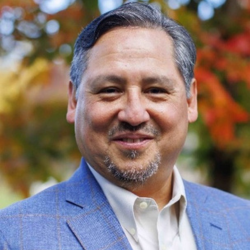 Joseph P. Gone, Ph.D.,
Faculty Director of the Harvard University Native American Program
Joseph P. Gone is the Faculty Director of the Harvard University Native American Program and an international expert in the psychology and mental health of American Indians and other Indigenous Peoples. A professor at Harvard University, Dr. Gone has collaborated with tribal communities for over 30 years to critique conventional mental health services and to harness traditional culture and spirituality for advancing Indigenous well-being. As a clinical-community psychologist and action researcher, he has published over 125 scientific articles and received recognition in his fields through more than 25 fellowships and career awards, including a Guggenheim Fellowship. Dr. Gone is a graduate of Harvard College and the University of Illinois, and he also trained at Dartmouth College and McLean Hospital/Harvard Medical School. He taught at the University of Michigan in Ann Arbor for sixteen years, where he directed the Native American Studies program prior to joining the faculty at Harvard. An enrolled member of the Aaniiih-Gros Ventre Tribal Nation of Montana, he also served briefly as the Chief Administrative Officer for the Fort Belknap Indian reservation. He is currently a Fellow of the Association for Psychological Science, and of seven divisions of the American Psychological Association. In 2023, Gone received a Gold Medal Award for Impact in Psychology from the American Psychological Foundation. He is an elected member of the National Academy of Medicine.
Categories: Treatment – Cultural Adaptations, Population – Indigenous Americans, Context – Cultural Factors
Basic to moderate level of familiarity with the material.
Owing to long histories of colonial subjugation, American Indians and Alaska Natives often advocate for greater incorporation of Indigenous tradition into the mental health enterprise. As one example, Indigenous traditional knowledges—especially traditional epistemological practices—might be employed for evaluating treatment outcomes relative to community wellness norms. And yet, the development and deployment of Evidence-Based Interventions (EBIs) for mental health problems is fundamentally a nomothetic pursuit (i.e., generalizable across similar cases), while for some Indigenous healing traditions outcome assessment may be fundamentally idiographic in nature (i.e., relevant only for the individual case). Moreover, EBIs are evaluated experimentally—in the context of formal scientific skepticism—to isolate causal relationships between treatments and improvement, while for most indigenous communities reliable knowledge—in the context of sacrosanct personal autonomy—is largely a matter of authoritative firsthand experience. These apparent divergences would benefit from greater clarification as to the prospects for reconciliation at the intersection of Indigenous and “western” intervention and evaluation approaches.
Outline:
- Review Indigenous Traditional Knowledges
- Sources
- Characteristics
- Describe normative inquiry in Psychological Clinical Science
- Definition
- Appraisal
- Juxtaposition of Scientific & Indigenous Ways of Knowing (WoK)
- 2 Considerations
- 2 Approaches
- Recognizing Demarcated Knowledge Use
- An Alter-Native Psy-ence
At the end of this session, the learner will be able to:
- Summarize key facets of Indigenous Traditional Knowledges
- Describe the logic of normative outcome evaluation in Psychological Clinical Science
- Provide an example of demarcated knowledge use
Long-term Goals:
- Summarize key facets of Indigenous Traditional Knowledges
- Describe the logic of normative outcome evaluation in Psychological Clinical Science
- Provide an example of demarcated knowledge use
Recommended Readings:
- Gone, J. P. (2022). Re-imagining mental health services for American Indian communities: Centering Indigenous perspectives. American Journal of Community Psychology, 69(3-4), 257-268. https://doi.org/10.1002/ajcp.12591
- Gone, J. P. (2016). Alternative knowledges and the future of community psychology: Provocations from an American Indian healing tradition. American Journal of Community Psychology, 58(3-4), 314-321. https://doi.org/10.1002/ajcp.12046
- Gone, J. P. (2012). Indigenous traditional knowledge and substance abuse treatment outcomes: The problem of efficacy evaluation. American Journal of Drug and Alcohol Abuse, 38(5), 493-497. https://doi.org/10.3109/00952990.2012.694528
Saturday, November 14 | 8:00 AM – 9:15 AM
Science Having an Impact: Tough Questions to Consider Before Our Research Can Create Real Change
Presented by:
 Mitch Prinstein, Ph.D., ABPP,
John Van Seters Distinguished Professor of Psychology and Neuroscience, Co-Director of the Winston Center for Technology and Brain Development at the University of North Carolina at Chapel Hill
Mitch Prinstein, Ph.D., ABPP is the John Van Seters Distinguished Professor of Psychology and Neuroscience and the Co-Director of the Winston Center for Technology and Brain Development at the University of North Carolina at Chapel Hill. Mitch also is the Senior Science Advisor of the American Psychological Association.
For over 25 years, and with continuous funding from the National Institutes of Health, Mitch’s research has examined interpersonal models of internalizing symptoms and health risk behaviors among adolescents, with a specific focus on the unique role of off- and on-line peer relationships in the developmental psychopathology of depression and self-injury. He is a board-certified clinical psychologist and has published over 250 scientific manuscripts and 12 books.
Mitch has advised/consulted with the numerous government agencies (e.g., White House Office of Science and Technology Policy, Centers for Disease Control, Federal Trade Commission, US Surgeon General’s Office, US Supreme Court), international agencies (e.g., Organisation for Economic Co-operation and Development, World Economic Forum, World Health Organization), nonprofits (e.g., Common Sense Media, The National PTA), institutes (e.g., National Institute of Mental Health, National Academies of Science), as well as for-profit industries (e.g., Google, Apple, Johnson & Johnson), and the entertainment industry (e.g., David E. Kelley Productions, Impact Guild).
At APA, Mitch served as the Chief Science Officer and then the Chief of Psychology. As Chief Science Officer, Mitch was responsible for leading the association’s science agenda and advocating for the application of psychological research and knowledge in settings including academia, government, industry, and the law. As Chief of Psychology, Mitch led the integration of APA’s work in science, practice, education, and applied psychology. Prior to APA, Mitch served as the Director of Clinical Psychology at UNC and Yale University, the Director of Graduate Studies in the Department of Psychology and Neuroscience, and the Assistant Dean for Honors Carolina.
Mitch is regularly featured as an expert in psychological science as a repeat witness testifying before the US Senate, in two TedX talks, and within hundreds of media appearances around the world in outlets such as The New York Times, NPR, 60 Minutes, the Times (UK), and CNN, ABC, CBS, and NBC.
Categories: 22026 Theme – Community Engagement, Workforce – Professional / Interprofessional Issues
Keywords: 2026 Theme – Community Engagement, Workforce – Professional / Interprofessional Issues
Basic level of familiarity with the material.
Psychology is the only scientific discipline with findings that have the potential to affect every human’s thoughts, behaviors, decisions, and beliefs every minute of every day. So why do so few people know about our work? Why is our work not having larger impact? This talk will briefly review the external barriers our discipline continues to confront as well as our own internal struggles that have kept the public from maximally benefitting from our scientific discoveries. This talk will address changes in the rate of peer-reviewed publications among academics, changes in the rate of academics agreeing to review potential publications, changes in attitudes among academics towards public outreach work, and changes in the appetite for science within the public. There are several ways that every researcher and every professional association can do something today to change the impact of psychological science. Several specific strategies will be discussed.
At the end of this session, the learner will be able to:
- Explain public perceptions of psychology as a science.
- Design activities that can enhance the public’s appreciation for the scientific basis of psychology.
- Identify steps that individuals and the field can take to educate the public.
Recommended Readings:
- Eaton, A. A., Grzanka, P. R., Schlehofer, M. M., & Silka, L. (2021). Public psychology: Introduction to the specialissue. American Psychologist, 76(8), 1209–1216. https://doi.org/10.1037/amp0000933
- Lewis, N. A., Jr. (2021). What counts as good science? How the battle for methodological legitimacy affects public psychology. American Psychologist, 76(8), 1323–1333. https://doi.org/10.1037/amp0000870
- Ozer, E. J., Langhout, R. D., & Weinstein, R. S. (2021). Promoting institutional change to support public psychology: Innovations and challenges at the University of California. American Psychologist, 76(8), 1293–1306. https://doi.org/10.1037/amp0000877
Why Social Justice Matters to Cognitive Behavioral Science and Practice
Presented by:
 Monnica T. Williams, Ph.D., ABPP,
Professor, University of Ottawa, Behavioural Wellness Clinic
Dr. Monnica T. Williams is a board-certified licensed clinical psychologist and Professor at the University of Ottawa, in the School of Psychology, where she is the Canada Research Chair in Mental Health Innovation and Equity. She is also the Clinical Director of the Behavioral Wellness Clinics in Connecticut and Ottawa, where she provides supervision and training to clinicians for empirically-supported treatments. Prior to her move to Canada, Dr. Williams was on the faculty of the University of Pennsylvania Medical School (2007-2011), the University of Louisville in Psychological and Brain Sciences (2011-2016), where she served as the Director of the Center for Mental Health Disparities, and the University of Connecticut (2016-2019) where she had appointments in both Psychological Science and Psychiatry. Dr. Williams’ research focuses on BIPOC mental health, culture, and psychopathology, and she has published over 200 scientific articles on these topics. Current projects include the treatment of racial trauma, improving cultural competence in the delivery of mental health care services, and addressing structural racism. She gives diversity trainings nationally for academic programs, scientific conferences, and organizations.
Dr. Williams has served as the African American SIG leader for Association of Behavioral and Cognitive Therapies (ABCT), and recently served as Chair of their Academic Training & Education Standards (ATES) Committee. She served as an Associate Editor of the ABCT journals Behavior Therapy and the Behavior Therapist. She also served on the editorial board of Cognitive Behaviour Therapy, Canadian Psychology, International Journal of Mental Health, the Journal of Obsessive Compulsive and Related Disorders and the Cognitive Behavioural Therapist. She is a member of the Scientific Advisory Board of the International OCD Foundation, and co-founded their Diversity Council. She is a member of the Royal College of Canada. Her work has been featured in all major US and Canadian media outlets, including NPR, CBS, CTV, CBC, Huffington Post, and the New York Times.
Categories: Ethnicity, Race, and Nationality, Risk/Vulnerability Factors
Keywords: Cultural Factors, Mental Health Disparities, Stigma and Oppression
All levels of familiarity with the material.
Mental health is impacted by social determinants such as race, gender, socioeconomic status, and other dimensions of identity, which can contribute to disparities in well-being through systemic oppression and inequitable access to resources. Embedding social justice principles into policies, training, clinical practice, and research can foster environments that validate diverse lived experiences, amplify underrepresented voices, and promote culturally responsive care. Increasingly, problems such as racism have been recognized as urgent public health concerns due to their pervasive effects on psychological and physical well-being. Despite this recognition, there remains a significant shortage of research examining effective interventions for oppression-based stress and trauma, including historical, cultural, ethnic, racial, and other forms of identity-related trauma. Greater investment is needed to develop, evaluate, and disseminate evidence-based treatments that address these experiences. Embracing social justice is essential to advancing equitable access to care, promoting inclusion, and dismantling systemic barriers that disproportionately affect marginalized communities. Clinicians, researchers, and professional organizations must actively oppose all forms of oppression because of their pervasive and well-established negative consequences for mental health and well-being.
Outline:
- Opening: Why Does Social Justice Matter to CBT?
- How Inequitable Systems Create Mental Health Disparities
- Mental Health Impact of Oppression
- Bringing Social Justice into CBT Science and Practice
- From Awareness to Action: What Can We Do?
- Closing: A Call to Action
At the end of this session, the learner will be able to:
- Explain how inequitable systems create mental health disparities.
- Describe oppression-based trauma.
- Provide examples of how social justice can improve mental health outcomes.
Long-term Goals:
- Promote psychological well-being by recognizing and addressing the impact of oppression, discrimination, and structural inequities on mental health.
- Contribute to the advancement of equity and cultural responsiveness across mental health systems, professional organizations, training programs, and research institutions.
Recommended Readings:
- Bartlett, A., Faber, S., Williams, M., & Saxberg, K. (2022). Getting to the root of the problem: Supporting clients with lived-experiences of systemic discrimination. Chronic Stress, 6, 1-10. h0ps://doi.org/10.1177/24705470221139205
- Buchanan, N. T. & Wiklund, L. O. (2020). Why clinical science must change or die: Integrating intersectionality and social justice. Women & Therapy, 43(3-4), 309-329. h0ps://doi.org/10.1080/02703149.2020.1729470
- Faber, S. C., Osman, M., & Williams, M. T. (2023). Access to mental health care in Canada. International Journal of Mental Health, 52 (3), 312-334. h0ps://doi.org/10.1080/00207411.2023.2218586
- Holmes, S. C., Zare, M., & Haeny, A., & Williams, M. T. (2024). Racial stress, racial trauma, and evidence-based strategies for coping and empowerment. Annual Review of Clinical Psychology, 20, 77-95. h0ps://doi.org/10.1146/ annurev-clinpsy-081122-020235
- Williams, M. T., Faber, I., & Faber, S. (2025). Correcting misconceptions about social justice in mental health. The Behavior Therapist, 48(3), 514-524.
- Williams, M. T., Madsen, J., Fontanilla, C. C., & Faber, S. C. (in press). Ensuring effective commitment to racial, ethnic, and cultural diversity in professional psychology graduate programmes. Canadian Psychology. h0ps://doi.org/10.1037/ cap0000447
- Williams, M. T., Osman, M., & Hyon, C. (2023). Understanding the psychological impact of oppression using the Trauma Symptoms of Discrimination Scale (TSDS). Chronic Stress, 7, 1-12. h0ps://doi.org/10.1177/2470547022114951
Sunday, November 15 | 8:00 AM – 9:15 AM
Aligning Evidence-Based Exposure Therapy With Justice-Based Principles
Presented by:
 Caitlin Pinciotti, Ph.D.,
Licensed Psychologist, Assistant Professor, Menninger Department of Psychiatry and Behavioral Sciences, Baylor College of Medicine
Caitlin Pinciotti, PhD, is a licensed clinical psychologist and Assistant Professor in the Menninger Department of Psychiatry and Behavioral Sciences at Baylor College of Medicine. Her research and clinical work focus on obsessive-compulsive disorder, trauma, and posttraumatic stress disorder, with particular attention to how these conditions and experiences intersect. She developed the concept of “justice-based treatment,” an approach that integrates principles of justice into clinical care. Her work in this area has been recognized through the Hartford Hospital Institute of Living Bicentennial Lectureship Award in 2024, and she has trained clinicians on this approach nationally and internationally.
Categories: Symptoms / Disorders – Obsessive Compulsive and Related Disorders, Treatment – Exposure and Response Prevention (ERP), Context – Cultural Factors
Keywords: Exposure therapy, Obsessive-compulsive disorder, Anxiety disorders
Moderate level of familiarity with the material.
Psychologists are called on to uphold ethical principles that protect client welfare, safeguard the welfare of others, avoid perpetuating prejudice, and ensure that treatment is fair, respectful, and just. Justice-based treatment is defined as “an equitable, thorough, and compassionate lens through which to conceptualize and implement mental health treatment so that all impacted persons—client, provider, and society—are respected” (Pinciotti et al., 2022). Exposure therapy is a well-established, evidence-based treatment for obsessive-compulsive disorder (OCD), anxiety disorders, and eating disorders; however, its implementation has at times drifted from its core principles by prioritizing maximal distress or shock value over alignment with client values and functional needs. In recent years, growing attention has highlighted the importance of a justice-based lens in exposure therapies. Identity and identity-based experiences can influence symptom expression and core fears, and not all anxiety or avoidance is inherently maladaptive. Without attention to these contextual factors, exposure therapy risks centering surface-level fears in ways that overlook core fears and inadvertently reinforce stigma or fail to align with clients’ true values and treatment goals. This is particularly relevant in presentations such as OCD involving identity-related themes (e.g., sexual orientation-OCD), anxious avoidance of situations that may be perceived as safe from the clinician’s perspective but not from the client’s lived experience, and eating disorders in which stigma and sociocultural expectations are deeply embedded in fears of weight gain. This plenary will examine common pitfalls in conducting exposure therapy without a justice-based lens and offer practical recommendations for integrating justice-based principles into exposure work while remaining aligned with the core mechanisms that make exposure therapy effective.
At the end of this session, the learner will be able to:
- Identify exposure therapy practices that are not justice-based
- Recognize and describe the iatrogenic effects of exposure therapy practices that are not justice-based
- Construct a justice-based hierarchy for a variety of diagnostic presentations
Recommended Readings:
- Pinciotti, C. M., Smith, Z., Singh, S., Wetterneck, C. T., & Williams, M. T. (2022). Call to action: Recommendations for justice-based treatment of obsessive-compulsive disorder with sexual orientation and gender themes. Behavior Therapy, 53(2), 153-169. https://doi.org/10.1016/j.beth.2021.11.001
- Pinciotti, C. M., Wadsworth, L. P., Greenburg, C., & Rosenthal, K. (2024). Justice-based treatment considerations for identity-related obsessive–compulsive disorder. Clinical Psychology: Science and Practice, 31(4), 466–478. https://doi.org/10.1037/cps0000224
- French, N. J., Hurd, N. M., & Wolfe, E. C. (2024). Echoing calls for justice-based treatment approaches in the field of clinical psychology. Clinical Psychology: Science and Practice, 31(4), 483–487. https://doi.org/10.1037/cps0000234
Treating PTSD as a Suicide Prevention Strategy
Presented by:
 Melanie Harned, Ph.D., ABPP,
Psychologist and Investigator, VA Puget Sound Health Care System, Seattle Division, Associate Professor Department of Psychiatry and Behavioral Sciences, Adjunct Associate Professor, Department of Psychology, University of Washington
Melanie Harned, Ph.D., ABPP, is a Psychologist and Investigator at the VA Puget Sound Health Care System, Seattle Division as well as an Associate Professor in the Department of Psychiatry and Behavioral Sciences and Adjunct Associate Professor in the Department of Psychology at the University of Washington. Dr. Harned has previously worked as the Research Director of Dr. Marsha Linehan’s Behavioral Research and Therapy Clinics at the University of Washington (2006-2018), Director of Research and Development for Behavioral Tech, LLC (2014-2017), and Director of Behavioral Tech Research, Inc. (2013-2016). Dr. Harned’s research focuses on the development and evaluation of the DBT Prolonged Exposure (DBT PE) protocol for PTSD as well as methods of disseminating and implementing this and other evidence-based treatments into clinical practice. She regularly provides training and consultation nationally and internationally in DBT and DBT PE and is licensed as a psychologist in the state of Washington.
Categories: Treatment, Symptoms / Disorders
Keywords: Suicide, Trauma and Stressor Related Disorders, Dialectical Behavior Therapy (DBT)
All levels of familiarity with the material.
Posttraumatic stress disorder (PTSD) is a well-established risk factor for suicide, making treating PTSD an important suicide prevention strategy. However, a major gap exists in current mental health care: individuals at acute risk of suicide are routinely excluded from trauma-focused treatments, while suicide-focused treatments traditionally do not directly address PTSD. To bridge this clinical gap, the Dialectical Behavior Therapy Prolonged Exposure (DBT PE) protocol was developed to be integrated into DBT using a stage-based approach. DBT PE adapts standard Prolonged Exposure to fit the needs of high-risk, multi-diagnostic individuals historically considered “too unstable” for trauma-focused treatment. A key adaptation of DBT PE is targeting PTSD stemming from traumatic invalidation as well as Criterion A traumas. Traumatic invalidation – the extreme or repetitive invalidation of one’s core characteristics – can occur within families, other important relationships, institutions, and systemically for marginalized groups. Though these types of severely invalidating experiences predict both suicidal behavior and PTSD symptoms, they remain underrecognized and undertreated in traditional PTSD treatments. This plenary talk will explore the clinical evolution, empirical evidence, and practical implementation of the integrated DBT and DBT PE treatment. Attendees will learn how this approach safely sequences suicide risk management with trauma processing to enable high-risk individuals to receive potentially life-saving, trauma-focused treatment. By challenging the historical clinical assumption that high-risk individuals must achieve long-term stability before treating their trauma, this presentation outlines a necessary paradigm shift. Ultimately, addressing PTSD, including traumatic invalidation, is critical to reduce chronic suicide risk and enable high-risk individuals to build lives they experience as worth living.
Outline:
- Introduction and the Systemic Clinical Gap
- The Construct of Traumatic Invalidation
- Bridging the Divide with DBT PE
- Conclusion and Call to Action
At the end of this session, the learner will be able to:
- Identify the systemic clinical gaps and historical assumptions that have limited access to PTSD treatment for high-risk individuals.
- Define the concept of traumatic invalidation and its role as a predictor of suicidal behavior and PTSD symptoms.
- Describe how the integrated DBT and DBT PE treatment enables high-risk individuals to safely access PTSD treatment.
Long-term Goals:
- PTSD can be safely and effectively treated among individuals at high risk for suicide.
- Treating traumatic invalidation as an important component of reducing suicide risk and PTSD.
Recommended Readings:
- Harned, M. S. (2022). Treating Trauma in Dialectical Behavior Therapy. The DBT Prolonged Exposure Protocol (DBT PE). New York, NY: Guilford Press.
- Prillinger, K., Goreis, A., Macura S., et al. (2024). A systematic review and meta-analysis on the efficacy of dialectical behavior therapy variants for the treatment of post-traumatic stress disorder. European Journal of Psychotraumatology, 15, 2406662.
- Harned, M. S. & Schmidt, S. C. (2019). Perspectives on a stage-based treatment for PTSD among Dialectical Behavior Therapy consumers in public mental health settings. Community Mental Health Journal, 55, 409-419.