


Find a CBT Therapist
Search through our directory of local clinicians.
Andrew Christensen
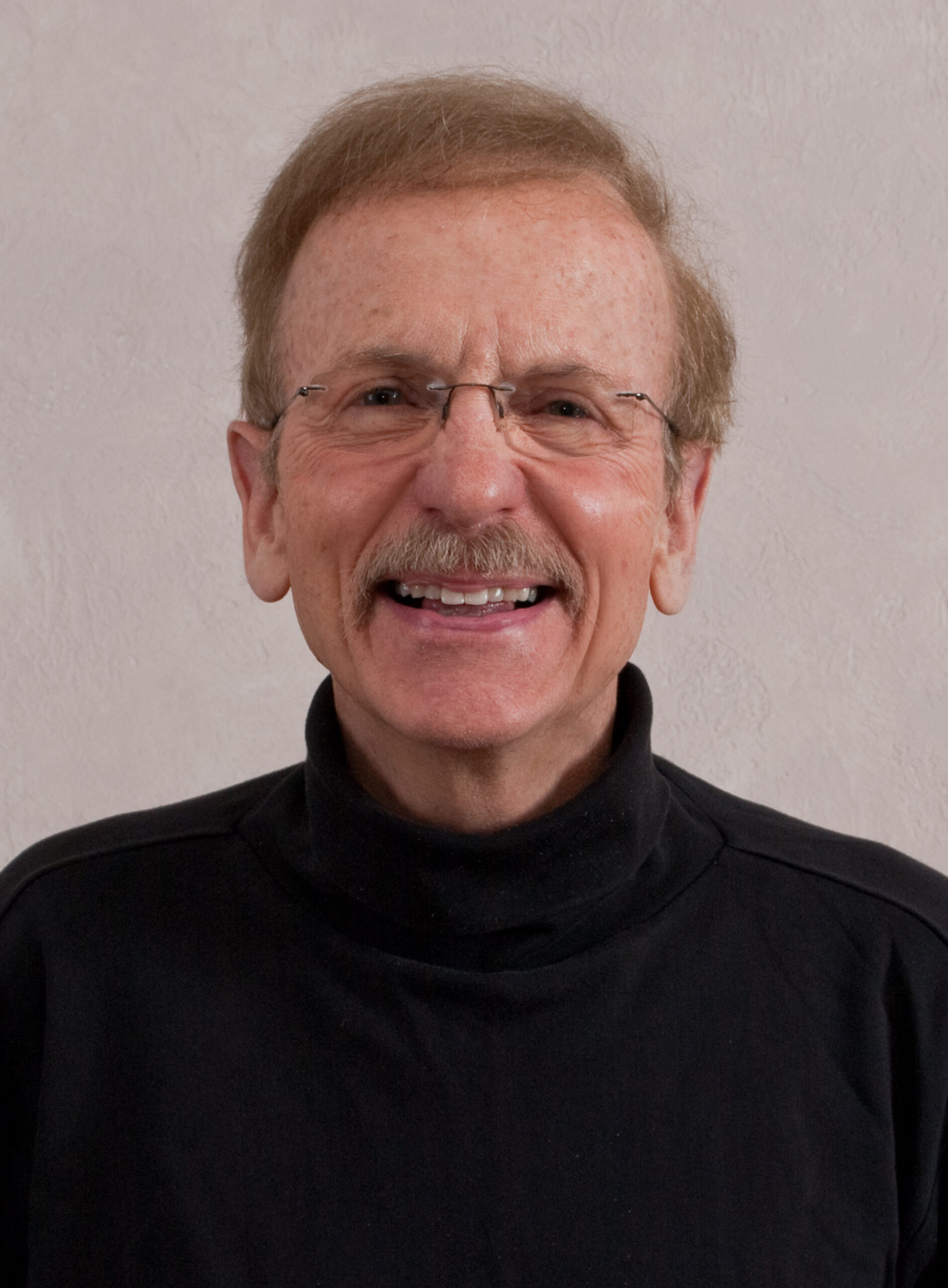
Andrew Christensen, a Distinguished Research Professor of Psychology in the Department of Psychology at the University of California, Los Angeles, studies couple conflict and couple therapy and has published approximately 200 professional articles and books, primarily on these topics. Along with the late Neil S. Jacobson, Christensen developed and evaluated a new treatment for couples, Integrative Behavioral Couple Therapy (IBCT), which was adopted by the US Department of Veteran’s Affairs in 2010 as their evidence-based approach for dealing with couples. Since 2010, Christensen has led an IBCT training program for therapists in the VA.
More recently Christensen began a training program in IBCT for therapists outside the VA but based on the model of training that he used in the VA and that can earn therapists APA CEs (https://ibct.org/courses/ ). Brian Doss, a professor of psychology at the University of Miami, and Christensen adapted IBCT into an online program, www.OurRelationship.com. Both IBCT and OurRelationship have been shown through extensive research to be effective treatments for couples with benefits often extending to the functioning of the partners and of their children. Through a grant that Dr. Brian Doss recently obtained, our digital program, OurRelationship is available for free for residents of Los Angeles County as well as two counties in South Florida near Brian (https://free.ourrelationship.com/ ).
Christensen has given workshops on IBCT throughout the world. His work has been cited in multiple news outlets such as the Washington Post, the New York Times, Time Magazine, Newsweek, and USA Today. Throughout his career, Christensen has maintained a small private practice in Los Angeles devoted exclusively to couples. He sees these couples only virtually.
What are your personal strengths as a practitioner?
I have worked with couples almost exclusively for my entire career spanning over 30 years. Therefore, my main strength is working with couples in ways that connect with both partners, bring them into a common understanding of their struggles, and help them develop a closer relationship as well as manage their conflicts more constructively.
What “tips” can you offer to colleagues just opening a practice?
I have a few simple tips: a) work in collaboration with colleagues so you learn from them, use them as resources and referrals, and get help and referrals from them; b) know that providing competent service to your clients that meets them where they are, connects with them in emotionally satisfying ways, and leads them to better functioning is the best advertisement you can do; and c) never stop learning and adapting because clinical work is challenging and we are far from knowing all the answers.
How do you remind your patients of their strengths during the therapy process?
As part of the assessment and feedback process in IBCT, we evaluate the couple’s strengths and provide them feedback about those strengths. In the active intervention phase, we remind couples of relevant strengths that are pertinent to their current struggles.
Are you involved in other types of professional activities in addition to your private practice?
I have been training therapists in the VA in IBCT since 2010 and I have been training graduate students at UCLA in couple therapy for my entire career. I also have recently led a training program in IBCT for therapists outside the VA but based on the model of training that I used in the VA and that can earn therapists APA CEs (https://ibct.org/courses/ ). Alongside Dr. Brian Doss of the University of Miami, I have been involved in the development, testing, and dissemination of a digital intervention program for couples based on IBCT (https://www.ourrelationship.com/) that has been shown to lead to improvement in relationship and individual outcomes. Through a grant that Brian obtained, OurRelationship is available for free for residents of Los Angele County as well as two counties in South Florida near Brian (https://free.ourrelationship.com/ ).
Who was your mentor?
My first supervisor for couple therapy during graduate school was the charismatic and influential Robert Weiss, one of the originators of the behavioral approach to couple therapy. However, throughout my career, I have learned so much from colleagues and friends such as Neil Jacobson, Gayla Margolin, Don Baucom, Howard Markman, Kurt Hahlweg, Kim Halford, Norm Epstein, and Dan Wile, among many others.
When not practicing CBT, what do you do for fun?
I am devoted to exercising daily in a variety of activities, seeing my grandchildren who live nearby, talking with family, colleagues and friends, traveling when possible, and eating delicious food whether at home, at friend’s house, or at one of the many wonderful restaurants in Los Angeles.
What do you think is the single most important thing CBT can do for your clients?
Assist them in having meaningful conversations about the difficult issues with which they struggle.
Where do you see the field of the behavioral therapies going over the next 3-5 years?
I hope to see them focus on expanding the reach as well as the power of psychological interventions so more people can benefit from them.
How do you use the local or social media to educate your community on the benefits of CBT?
Through a grant that Dr. Brian Doss obtained, our digital program OurRelationship is available for free for residents of Los Angeles County as well as two counties in South Florida near Brian (https://free.ourrelationship.com/). I worked with UCLA media to make this program known and it was picked up by local media so that we were overwhelmed with the number of couples who wanted to participate in the program. Apart from this free program, our team at OurRelationship uses social media to educate the public about couple distress and alert them to evidence-based treatments for that distress.
How long have you been a member of ABCT?
For my entire career of over 30 years.
How has ABCT helped you professionally?
It has been my professional home for most of my career—a place where my friends and colleagues meet annually and collaborate.
What services do you consider the most valuable from ABCT?
I have loved the annual convention and the variety of scientific material presented there.