Find a CBT Therapist
Search through our directory of local clinicians.
The CREW Lab
Meet ABCT’s Featured Lab
The Culture, Relationships, Education, and Well-Being (CREW) lab, located in the Department of Psychology at the University of Cincinnati, is directed by Pankhuri Aggarwal, Ph.D.

We asked each of the CREW lab’s members:
- What is your primary research interest?
- If the student is or has ever been a member of ABCT:
- How has ABCT been helpful to you?
- If a student were thinking about joining ABCT, what activities would you recommend they get involved in?
Trainee Lab Members
Sarah Shahriar, B.S., Psychology (concentration in Neuroscience), Current 1st year Clinical Psychology Ph.D. Student
 What is your primary research interest?
My primary research interest includes identifying contributions that migration-related stress may have on the manifestation of mood and psychosis-spectrum disorders in South Asian populations.
How has ABCT been helpful to you?
Although I am not a member of ABCT yet, this will be my first time attending this conference and I feel grateful for the opportunity to be involved. This year I will be presenting an accepted poster at the with the title “Investigating Client Ethnic and Racial Background, Migrant Status, and Family Coherence: An Exploration of Clinical Features in Participants of First Episode Psychosis Coordinated Specialty Care in Pennsylvania and Maryland” at the Asian American Issues in Behavior Therapy and Research Special Interest Group poster session. I look forward to presenting my findings and engaging in discussion with others involving the development of mood and psychosis-spectrum disorders in marginalized populations, as well as the improvement and implementation of CBT methods that cater to the needs of clients with diverse ethnic and racial backgrounds.
Blessing S. Johnson, B.S.
 What is your primary research interest?
I am interested in how different factors such as culture, race, ethnicity, and gender intersect to influence mental health outcomes, treatments, access and perception. In the CREW Lab, I have focused on cultural perceptions of mindfulness among students in the U.S and India and its association with outcomes such as depression and alcohol use.
How has ABCT been helpful to you?
I am not a member of ABCT. I will be attending the conference for the first time this year. I also have the opportunity of presenting a poster this year on the relation between mindfulness, alcohol use and depression among students in the US and India. Attending and presenting at the ABCT conference will allow me to share this project with others and engage in thoughtful conversations about the importance of conducting cross-cultural research. This conference will also help me network with other scholars and help prepare me as I apply to graduate schools in the near future.
Yanai Hamel-Sasson, B.A., Psychology
 What is your primary research interest?
I am fascinated by meditation and other intentionally mindful activities and their role in reducing stress, anxiety, and depression. I am particularly interested in phone use, especially social media, and its impact on mental health, as well as using mindfulness-based interventions to reduce screen time and improve overall well-being.
Diana Martins, B.S., Psychology (exp. 2026)
 What is your primary research interest?
My research interests include multicultural psychology, bilingualism and self-esteem, and the experiences of psychology professionals with marginalized identities. I am currently involved in two projects: one examining the personal and professional trajectories of psychology professionals from marginalized backgrounds, and another focused on clinical supervision competencies and training.
Lucy Guenther, B.A., Communication (minor in Psychology)
 What is your primary research interest?
I am interested in a broad range of topics in psychology, with a particular passion for improving mental health resources and well-being for underserved populations. I am especially drawn to exploring the intersections of culture and education and comparing Eastern and Western frameworks. Being part of the CREW Lab has allowed me to pursue these interests and contribute to meaningful scholarly work.
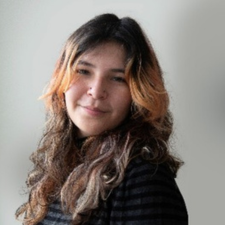
Mika Sevilla Morales, B.A., Psychology
 What is your primary research interest?
I want to use cultural competency and community-based research to evaluate and implement interventions that seek to advance equitable outcomes in both education and health for youth within marginalized communities. Furthermore, I want to investigate how one’s various intersecting identities compound to impact their mental well-being.
Pankhuri Aggarwal, Ph.D.
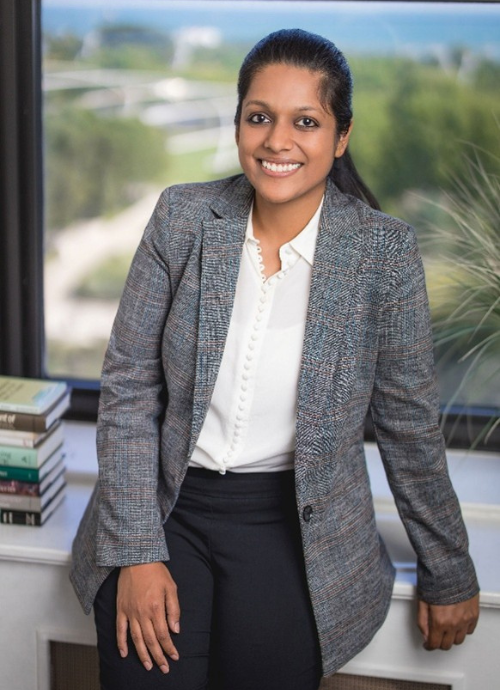 Dr. Pankhuri Aggarwal is a Tenure-Track Assistant Professor of Psychology at the University of Cincinnati. She earned her Ph.D. in Clinical Psychology from Miami University and completed her predoctoral internship at the Perelman School of Medicine at the University of Pennsylvania. Following her doctoral training, she served as the Madigan Family Clinical Research Fellow at The Family Institute at Northwestern University, where she completed her postdoctoral fellowship. Dr. Aggarwal’s research has been supported by the American Psychological Foundation, the American Psychological Association, and the Mental Research Institute. She has also been recognized with numerous national and international honors and awards.
The CREW Lab addresses global mental health disparities by advancing inclusive and culturally responsive clinical science. One line of research examines how frameworks, instruments, and treatments for depression and suicidality, originally developed in Western contexts, apply to populations in the Global South and migrant communities in the Global North. A second line focuses on training and implementation of cultural competence and evidence-based practices among mental health professionals worldwide. A third area centers on developing culturally informed approaches to clinical supervision and mentoring. Collectively, these efforts reflect CREW Lab’s commitment to equity-centered research and practice.
How long have you been a member of ABCT?
Since 2017.
How often and why do you attend the ABCT convention?
I have regularly attended and presented at ABCT since graduate school. The convention remains a vibrant community for exchanging ideas, learning from colleagues, and mentoring emerging scholars. It also offers opportunities to reconnect with collaborators and friends from graduate school and beyond.
How do you stay current with developments in the field (research and/or practice and/or policy)?
I stay current by regularly reading peer-reviewed journals, attending professional conferences (e.g., ABCT, NMCS, APS, APA), and collaborating with colleagues nationally and internationally. I also participate in continuing education sessions that broaden my clinical and research skills. These ongoing engagements inform and enrich my teaching, clinical practice, and supervision.
How has ABCT helped you/your lab professionally (e.g., network/collaborate, stay current with developments in the field, meet prospective/former trainees)?
ABCT holds a special place in my heart, as I met my first graduate student there. The convention provides numerous opportunities to connect with prospective trainees, collaborators, and professional organizations. It has facilitated meaningful networking, collaborations, and advocacy, and has helped our lab stay current with emerging research and innovations in clinical practice.
Does your lab have any traditions? Does your lab do anything together for fun?
In addition to weekly lab meetings, we host dedicated writing hours that provide students with a structured space to boost accountability and productivity. We also offer professional development workshops each semester on topics such as CV building, interview preparation, and post-baccalaureate opportunities. Beyond academics, we value community and connection, sharing humor during meetings and gathering outside of work. Last year, we hosted an ice cream social, and this year we look forward to celebrating our graduates and other milestones with a lab get-together.
What advice would you give prospective trainees (either in general, or to those applying to your lab specifically)?
I encourage prospective trainees to reflect carefully on fit. Just as you seek a lab environment where you can grow, we are committed to providing training that is meaningful and rewarding. Trainees thrive in our lab when they are curious about the role of identity and culture in psychopathology, enjoy working independently and collaboratively, and approach research with initiative and openness to feedback. Growth comes from engaging with new ideas, learning from peers, and viewing challenges as opportunities to develop skills. We value humility, cultural responsiveness, and collaboration, qualities that strengthen both research and community. I have mentored students within and beyond my institution and welcome inquiries from those interested in volunteering or collaborating with the CREW Lab. Above all, I encourage trainees to embrace research, mentoring, and learning as a space for both professional and personal growth.
