
Find a CBT Therapist
Search through our directory of local clinicians.
The POSTSCRIPT Lab
Meet ABCT’s Featured Lab
The PTSD, Suicide, and Traumatic Stress in Children: Culturally Relevant Interventions, Prevention, and Training (POSTSCRIPT) lab at West Virginia University is led by Michelle Roley-Roberts, Ph.D.
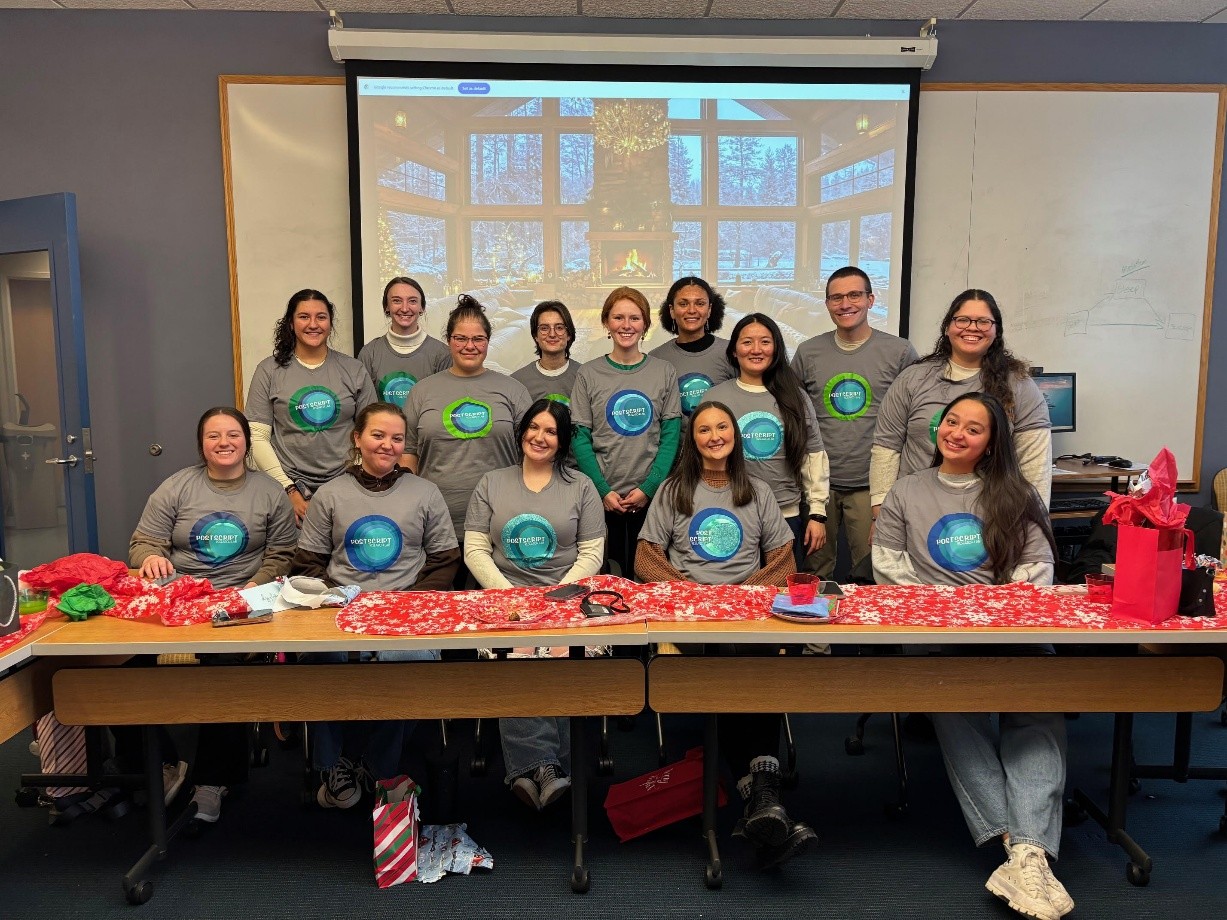
We asked each of the POSTSCRIPT lab’s members:
- What is your primary research interest?
- If the student is or has ever been a member of ABCT:
- How has ABCT been helpful to you?
- If a student were thinking about joining ABCT, what activities would you recommend they get involved in?
Trainee Lab Members
Ellis Bradley, M.A.
 What is your primary research interest?
Childhood traumatic stress, identity, multiculturalism and intersectionality.
How has ABCT been helpful to you?
ABCT was the first conference I submitted a poster to, the first conference to accept a poster I first authored, and the first conference I attended! ABCT was really helpful in my professional development early in my research career.
If a student, postdoc, and/or postbac were thinking about joining ABCT, what activities would you recommend they get involved in (e.g., presenting at ABCT conventions, joining a SIG or committee)?
I would definitely suggest presenting at (or even just attending) an ABCT conference. Everyone is incredibly warm and excited to chat about research or psychology in general. Browsing various presentations can also help you discover research interests or labs you otherwise might have not discovered otherwise. Being able to examine and discuss research in-depth (both yours and others) is also such a big skill to learn early on.
Marinne Morgan, B.S.
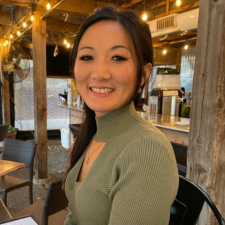 What is your primary research interest?
Childhood traumatic stress, resilience, and post traumatic growth.
Jailyn Wilson, B.A.
 What is your primary research interest?
I am interested, broadly, in the mental health of Black individuals. Specifically, I am interested in studying how discrimination impacts posttraumatic stress symptoms and suicide ideation in these populations.
How has ABCT been helpful to you?
ABCT has been helpful in connecting me to different resources and opportunities. Specifically, the ABCT conference helped me identify individuals who, alongside my mentor, helped me think deeper about research looking at the mental health of Black individuals.
If a student, postdoc, and/or postbac were thinking about joining ABCT, what activities would you recommend they get involved in (e.g., presenting at ABCT conventions, joining a SIG or committee)?
Presenting at the ABCT conference is a great way to connect with others in your field and those interested in your work. I’d also recommend joining a SIG; it’s an excellent way to engage with individuals who share your research interests.
Erinn Victory, M.S.
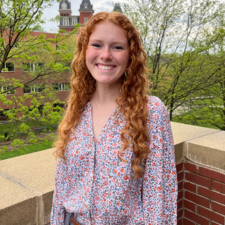 What is your primary research interest?
ABCT has provided me with a professional home to network with other like-minded students and faculty. As the president of the Parenting and Families SIG, I have been able to connect with professionals in my area of study and provide resources to parents and families in our communities.
How has ABCT been helpful to you?
ABCT has provided me with a professional home to network with other like-minded students and faculty. As the president of the Parenting and Families SIG, I have been able to connect with professionals in my area of study and provide resources to parents and families in our communities.
If a student, postdoc, and/or postbac were thinking about joining ABCT, what activities would you recommend they get involved in (e.g., presenting at ABCT conventions, joining a SIG or committee)?
I would recommend students to get involved in a SIG, volunteer, and attend the annual ABCT convention.
Michelle Roley-Roberts, Ph.D.
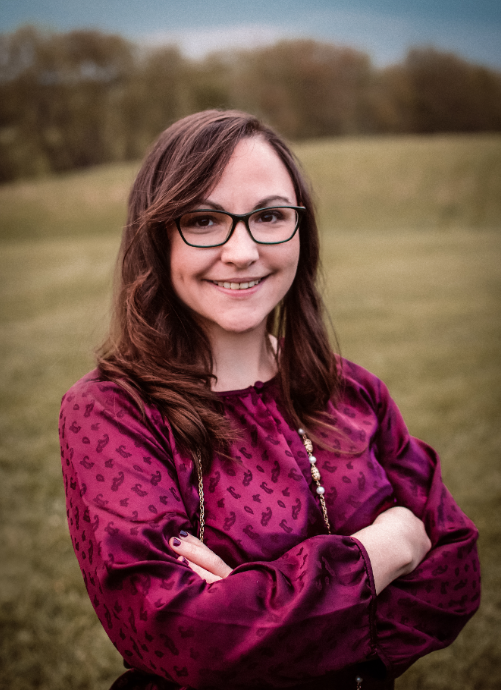 Dr. Roley-Roberts is an assistant professor and licensed psychologist at WVU Psychology Department. She completed her postdoc at The OSU Nisonger Center. She was a LEND Trainee, a CHIPS Fellow, and a LEAD Fellow. She holds a PhD in clinical psychology from the University of Toledo after completing her APA-accredited predoctoral child track internship at the University of Arkansas for Medical Sciences. As a first-generation college student, individual with a {dis}ability, and Appalachian from Southeast Ohio, she is passionate about using research to advocate for equitable mental health care and access to knowledge and resources with and for underserved communities.
The goal of the POSTSCRIPT lab is to reduce suicide and mental health care disparities for underserved youth stemming from child trauma exposure. Their research consists of three separate but interrelated areas:
- The development of culturally-sensitive evidence-based trauma and suicide interventions for underserved youth.
- Reduction in barriers to improved mental health among diverse and underserved communities via the examination of the relationship between cultural factors and symptom presentation.
- Examination of positive factors (e.g., coping, quality of life) that contribute to improved mental health.
How long have you been a member of ABCT?
Since 2011.
How often and why do you attend the ABCT convention?
I attend annually because this is generally where I see colleagues from all my previous experiences (e.g., postdoc, internship, grad school). It’s a great place for my grad and undergrad students and me to network and stay abreast of current research and evidence-based practices in behavioral and cognitive therapies.
How do you stay current with developments in the field (research and/or practice and/or policy)?
By attending conferences, reading journal articles, completing Continuing Education credits, and staying involved in professional organizations that have listservs (e.g., ABCT Forums) to share information and resources.
How has ABCT helped you/your lab professionally (e.g., network/collaborate, stay current with developments in the field, meet prospective/former trainees)?
The ABCT conference is where we do a lot of networking with colleagues, learn about hot-off-the-press research, and where we meet up with current, prospective, and/or former trainees. I also am involved in leadership positions within ABCT (incoming Chair of Leadership and Elections Committee; Co-Chair of the Women’s SIG), which has helped me to learn a lot about how ABCT functions, which helps me be a better mentor to my students.
Does your lab have any traditions? Does your lab do anything together for fun?
We do have traditions – before the start of the semester, the graduate students and I get together at a local coffee shop to set research priorities for the academic year, orient new graduate student(s) to the team, and spend quality time together before the rush of the semester. At the end of the Fall semester, our entire lab (undergraduate and graduate students) celebrate our accomplishments and graduations at a ChristmaKwanzaHannakuh party and at the end of the Spring semester, our lab celebrates by having a pizza and bowling party. Throughout the year, we celebrate small and big wins with our Kudos board.
What advice would you give prospective trainees (either in general, or to those applying to your lab specifically)?
Generally, I steer prospective trainees looking to apply to graduate school toward the Mitch Prinstein Uncensored Advice (Google it!) because there are many great nuggets of wisdom in the guide. I recommend that prospective students do some serious soul-searching on their career and life goals (like, what do you really want to do when you get your highest degree? Practice? Research? Teach? What life-related factors are you also balancing? [e.g., aging relatives, children, significant other; are you geographically-tied?] What kind of mentoring style do you need to help you be successful? What do you know you hate from mentors/bosses? Do you really enjoy research? [what do you love about it?]) I find students buy into the ‘one pathway’ bit, which is a mirage.
Trainees should ask people they are aspiring to be like about how they got where they are. Ask a lot of different people. You’ll see that there is no one path. So let’s just destigmatize and demystify the process. Also, related to soul-searching – embrace the pathway that works best for you. If a master’s degree in clinical mental health counseling is the right fit for your goals and life then fantastic! You have a path. Just genuinely be yourself and know yourself. Don’t lie to yourself that you want to get a PhD in clinical psychology because that’s what everyone says you have to do to ‘be successful’. If you are looking to join my lab,
I will have expected that you have done your soul-searching and figured out that the Ph.D. in clinical psychology is the only route to get you to your goals that aligns with your life factors, too. Further, I am looking for graduate students who will thrive with a mentor like me (i.e., I highly value and regularly practice reflective supervision so mentees who are deeply reflective jive well with me; meeting regularly to build a relationship on trust through communication, honesty, and vulnerability; being okay with failing – I set high expectations, which can be intimidating, but if I pick you, I see you have the potential to reach those high expectations; I will not micromanage or provide a ton of reassurance so if you need either of those things, I am not the best mentor for you).
Your research interests should compliment the work that we are doing in my lab. You, yourself, should care a lot about mentoring because I expect my graduate students to invest time in mentoring undergraduate and postbac students in the lab.