Find a CBT Therapist
Search through our directory of local clinicians.
The UPLiFT Lab
Meet ABCT’s Featured Lab
The Understanding and Preventing Loss aFter Trauma Lab (UPLiFT), located in Yale University, School of Medicine, Department of Psychiatry, is directed by Margaret “Maggie” T. Davis, Ph.D.
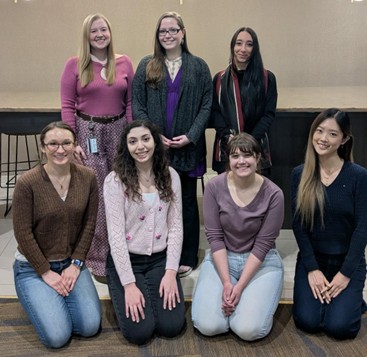
Pictured top left through bottom right: Elizabeth Duraney, Maggie Davis, Emily Weiss, Victoria Hart-Derrick, Dayna Freeman, Rachel Miller, and Ning Li.
Trainee Lab Members
- Emily Weiss, Ph.D. – Associate Research Scientist
- Elizabeth J. Duraney, Ph.D. – Postdoctoral Fellow
- Ruoning “Ning” Li, BSc – Masters Student
- Rachel Miller, MA – Research Assistant 2
- Victoria Hart-Derrick, B.A. – Research Assistant 1
- Dayna Freeman, B.S. – Research Assistant 1
- Madison Silcher – Undergraduate RA
- Michaela Snyder-Braasch – Undergraduate RA
We asked each of the UPLiFT Lab members:
- What is your primary research interest?
- How has ABCT been helpful to you?
- If the student is or has ever been a member of ABCT: If a student were thinking about joining ABCT, what activities would you recommend they get involved in?
Trainee Lab Members
Emily Weiss
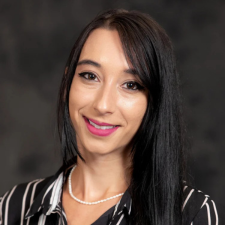 What is your primary research interest?
Dr. Weiss’ primary research interests include the neurobiology of transdiagnostic compulsive and risk-related behaviors, including those seen in eating, obsessive-compulsive spectrum, and personality disorders. Additionally, she is interested in the role of mindful movement in treating these conditions.
Ruoning Li
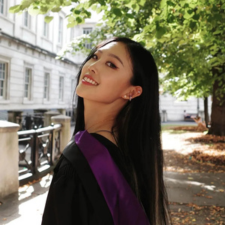 What is your primary research interest?
Ning’s research background involves eating disorders, depression, and autism, using both behavioral measures and neuroimaging techniques such as EEG and fMRI. She is particularly interested in the links between eating disorders, interoceptive processes, and social influences.
Rachel Miller
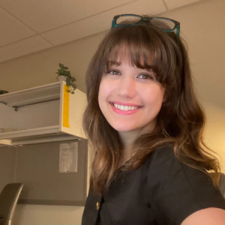 What is your primary research interest?
For her master’s thesis, Rachel used mediation modeling with the Growing Up in Ireland (GUI) dataset to determine the impact of negative emotionality on the development of emotional and behavioral difficulties from middle childhood through adolescence. Currently, Rachel’s research interests include risk and resiliency factors of childhood trauma and the impact of parental attunement.
Madison Silcher
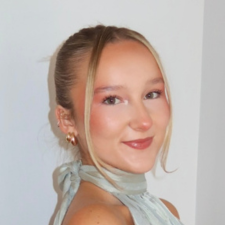 What is your primary research interest?
Madison is especially interested in the study of eating disorders and trauma-informed care. Her goal is to help people rebuild their sense of self-worth and identity and realize they have the power to change the trajectory of their future.
Michaela Snyder-Braasch
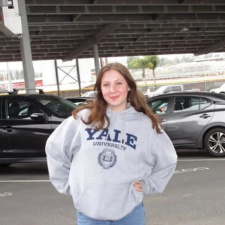 What is your primary research interest?
Michaela’s research interests center on psychiatric disorders and brain-behavior relationships. As a freshman, she is eager to gain hands-on experience and contribute to ongoing projects.
Elizabeth J. Duraney
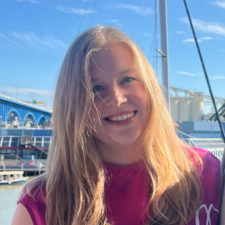 What is your primary research interest?
Dr. Duraney’s research interests involve a multi-method approach, including neuroimaging and behavioral methods, to understand and characterize emotion dysregulation. Currently, she is interested in examining the neurobiological underpinnings of emotion dysregulation in substance use disorders and borderline personality disorder. She is also interested in examining potential treatments for difficulties with emotion regulation with an emphasis on mindfulness-based approaches.
How has ABCT been helpful to you?
“I just joined ABCT in 2025 and attended my first conference after shifting my research interests to focus on personality disorders, the neurobiology of emotion dysregulation, and treatment. I greatly enjoyed my first ABCT meeting and was impressed at the wide array of educational and networking opportunities.”
If a student were thinking about joining ABCT, what activities would you recommend they get involved in?
“I would strongly encourage interested trainees to attend the ABCT convention. In addition to some of the suggestions Victoria and Dayna mentioned, I would also recommend trainees challenge themselves and attend a few talks outside of their direct research interests—give the wide breath of research happening at ABCT it is an amazing way to expose oneself to what others are doing and gain new perspectives that you may be able to apply to your own work!”
Victoria Hart-Derrick
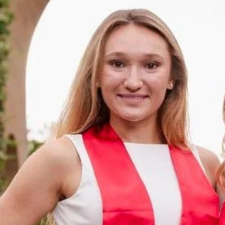 What is your primary research interest?
Victoria is interested in examining the development, maintenance, and remittance from problem behaviors associated with emotion dysregulation, particularly suicide behaviors and negative posttraumatic cognitions that contribute to increased suicide risk. Focally, Victoria aims to examine the unique impact of sex trauma on functioning and risk among those affected by this experience.
How has ABCT been helpful to you?
“I have been fortunate to attend ABCT for the last three years. Of all the conferences I have participated in, ABCT remains my favorite! Specifically, I believe the expansive programming, trainee-specific socials and information sessions, and participation in SIG meetings has allowed me to meet new peers and collaborators, build mastery in my science communication skills, and improve my participation in our field’s discourse. ”
If a student were thinking about joining ABCT, what activities would you recommend they get involved in?
“I could not encourage participating in ABCT more strongly! As a proud winner of multiple ABCT student awards, I see this conference as one of the best avenues to share your work, challenge yourself, and build a presence in your specific research community. A recommendation I would share with a new ABCT member would be to join the SIGs for the topics that interest you most (most students can join for free or highly reduced rates!) and apply to as many awards and travel grants as possible – you never know what may happen! ☺”
Dayna Freeman
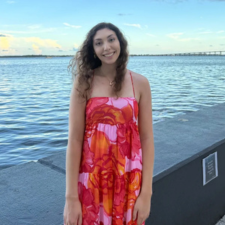 What is your primary research interest?
Dayna’s research interests include understanding the relationship between emotional regulation and compulsive behaviors, specifically disordered eating behaviors and substance use, in anxiety and mood-related disorders. She is particularly interested in the role of body image and interoception in restrictive eating behaviors.
How has ABCT been helpful to you?
“I am so grateful to have attended ABCT for the past two years. The ABCT convention has definitely become the highlight of my November! Each convention has inspired my research and clinical interests, and further developed my scientific thinking and communication skills. Furthermore, ABCT has been a wonderful community to connect with other trainees and learn about preparing for graduate school.”
If a student were thinking about joining ABCT, what activities would you recommend they get involved in?
“I would strongly recommend other trainees to share their work for presentation at ABCT conventions! As a poster presenter at the 2025 ABCT Conference, I was thrilled to have the opportunity to discuss my research interests with other trainees and professionals who shared my interests. SIGs are also a fabulous place to explore your specific interests and to connect with those whose work you admire.”
Margaret “Maggie” T. Davis, Ph.D.
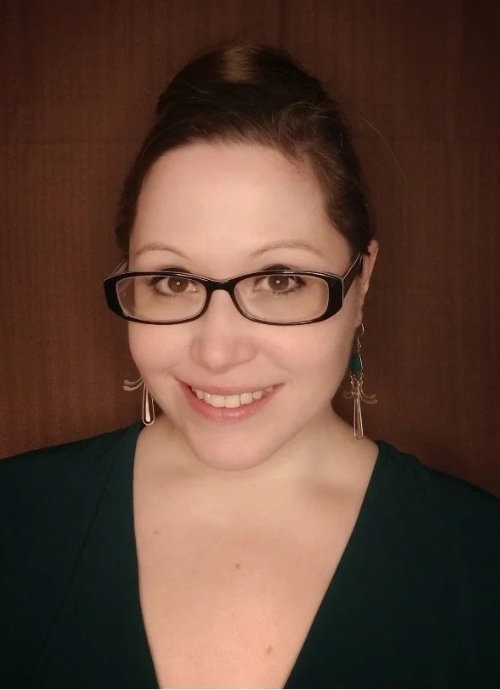
Dr. Davis is a licensed clinical psychologist and Associate Professor in the Yale Department of Psychiatry, co-appointed in Psychology. Her current work seeks to identify neurobiological mechanisms underlying behavioral responses related to PTSD, borderline personality disorder, other forms of trauma related psychopathology, and their link to suicide behaviors and functional impairment. Via PET and fMRI imaging, Dr. Davis aims to explore novel biomarkers and potential treatment targets with the potential to reduce risk in survivors of trauma. Maggie is a specialist with expertise and clinical experience in prolonged exposure, cognitive processing therapy, cognitive behavioral therapy, and dialectical behavior therapy (DBT).
UPLiFT combines psychological assessment and neuroimaging (fMRI and PET) to further understand the relationships between trauma (e.g. PTSD, borderline personality disorder, adverse childhood events) and risk for suicide. We aim to contribute to the development of precision psychiatric interventions, harnessing PET’s unique capacity to test brain and behavior relationships at a molecular level. We also aim to assist the design and validation of psychological assessments to optimize measurement of constructs relevant to trauma-related and suicide behaviors. Our mission is to increase treatment options and resources and combat stigma in service of trauma survivors and the people who love them.
How long have you been a member of ABCT?
15 years.
How often and why do you attend the ABCT convention?
The UPLiFT Lab enjoys ABCT as one of our primary, annual conference. Since the lab’s inception in 2021, we have attended annually. We attend ABCT to connect with longtime collaborators, discuss cutting edge findings in our research community, and foster mentorship among our lab’s junior trainees. The breadth of works shared at ABCT makes it conducive to maximal learning and networking opportunities.
How do you stay current with developments in the field (research and/or practice and/or policy)?
The UPLiFT Lab values and welcomes collaborations across all disciplines and training levels. To date, Dr. Davis and UPLiFT affiliates have collaborated with over 7 academic institutions and even more internal collaborators at Yale. Via bi-weekly lab meetings and recurrent consultation meetings with outside collaborators, UPLiFT aims to embody the true spirit of scientific collaboration.
Outside of the academic setting, Dr. Davis works closely alongside 4 national non-profit organizations dedicated to the destigmatization of BPD, suicide risk reduction, and overdose awareness. UPLiFT values community partnerships to better learn from and honor the lived experiences of those affected by trauma, BPD, and suicide.
How has ABCT helped you/your lab professionally (e.g., network/collaborate, stay current with developments in the field, meet prospective/former trainees)?
As longtime members of ABCT, UPLiFT Lab members and affiliates have been fortunate to present 18 posters, four symposia, and participate in four Special Interest Groups over the last two years. Three of our current lab members have also been recipients of poster, rising star, and travel awards.
Does your lab have any traditions? Does your lab do anything together for fun?
In our free time, the UPLiFT Lab enjoys attending local trivia, participating in an intramural kickball team, and dinner parties! Every year, we host two dinners to celebrate ABCT as an immediate lab group and with our cherished collaborators. Fun fact: At this last year’s ABCT meeting in New Orleans, the UPLiFT Lab hosted a social at the Boot Scootin’ Rodeo bar where multiple affiliates participated in the mechanical bull ride!
What advice would you give prospective trainees?
The UPLiFT Lab believes the best trainees, and science, are born from authenticity, humility, and collaboration. Additionally, to provide the best mentorship possible, Dr. Davis is a strong advocate of trainee’s pursuit of independent research projects and participation in conferences. If you are interested in participating in our lab meetings, please email [email protected] for more information!